

How the Multifamily Industry Can Benefit from the Aging in Place Movement
The aging-in-place movement is reshaping housing preferences across the country as older adults increasingly choose to remain in their current homes and communities rather than relocating to assisted living communities. Baby Boomers are the largest generational cohort in American history. As they reach retirement age, many are choosing rental housing over homeownership, creating opportunities to capitalize on a market with significant spending power. Traditional apartment designs overlook accessibility features like lever faucets, grab bars, and walk-in showers, which limits accessibility for residents as they age. Forward-thinking multifamily properties that incorporate aging-in-place features benefit from expanded market appeal, improved tenant retention, and protection against future regulatory-compliance costs.
Understanding the Aging in Place Movement and Its Impact on Multifamily Housing
The Baby Boomer generation consists of people born between 1946 and 1964, representing approximately 73 million Americans. By 2030, all Boomers will reach age 65 or older, fundamentally reshaping housing demand. This generation also has significant financial assets, owning approximately 51% of all household wealth in America, making them an incredibly valuable demographic. As Baby Boomers grow older, many are trading the burdens of homeownership for the low-maintenance convenience of a rental lifestyle. Rental properties offer many attractive benefits that aging residents value such as automatic lawn care, roof repairs, snow removal, and landscaping.

How to Appeal to Age-in-Place Residents
Aging in place housing must accommodate residents with declining mobility while maintaining their independence and autonomy. This market craves familiar environments near necessary services, support systems, and community connections that support the renter’s dignity, comfort, and quality of life. Designing with this in mind requires proactive planning that focuses on choice, control, and independence.
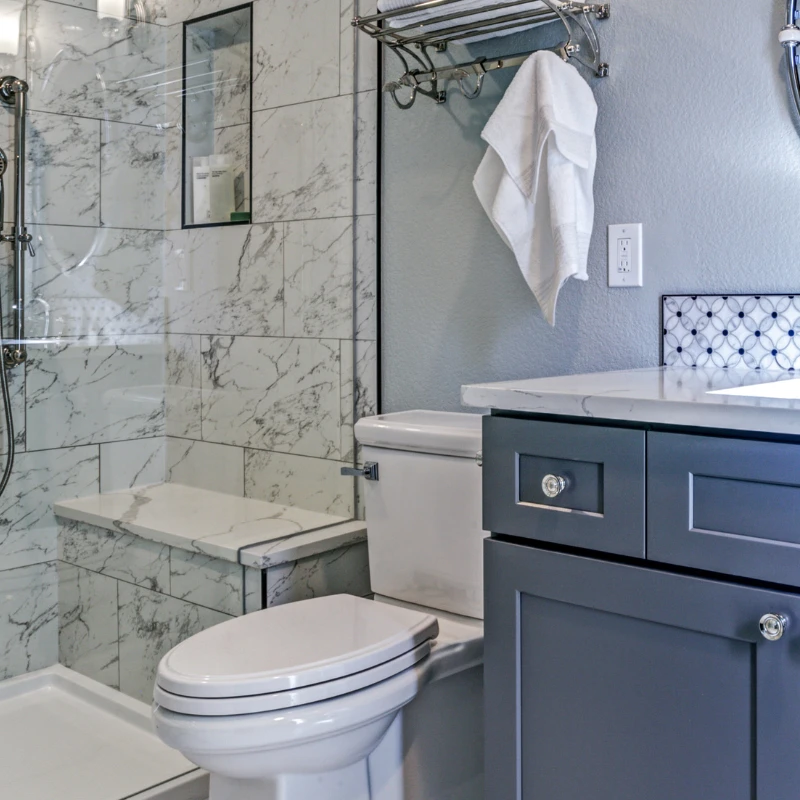
Active seniors need minimal modifications beyond universal design features like lever door handles and single-handle faucets, while less-mobile residents benefit from walk-in showers with adjustable handheld showerheads. As renters develop severe mobility limitations, shower benches, grab bars, and non-slip floors appeal to senior occupants while protecting property owners from liability and insurance claims. Builders who design homes with built-in accessibility to appeal to renters of all ages and abilities differentiates properties in this competitive market.
Essential Age-in-Place Features for Multifamily Properties
Bathrooms and kitchens present the greatest safety risk and functionality challenges for aging residents, making these spaces the highest priority for age-in-place design. Selecting fixtures strategically for these high-use areas supports residents’ independence while preventing injuries. Universal design principles benefit all residents regardless of age or ability while specifically addressing the needs of those aging-in-place. Smart builders design these homes with stylish accessible features that fit seamlessly into contemporary design without having an institutional appearance that can reduce market appeal.
Universal Design in the Bathroom
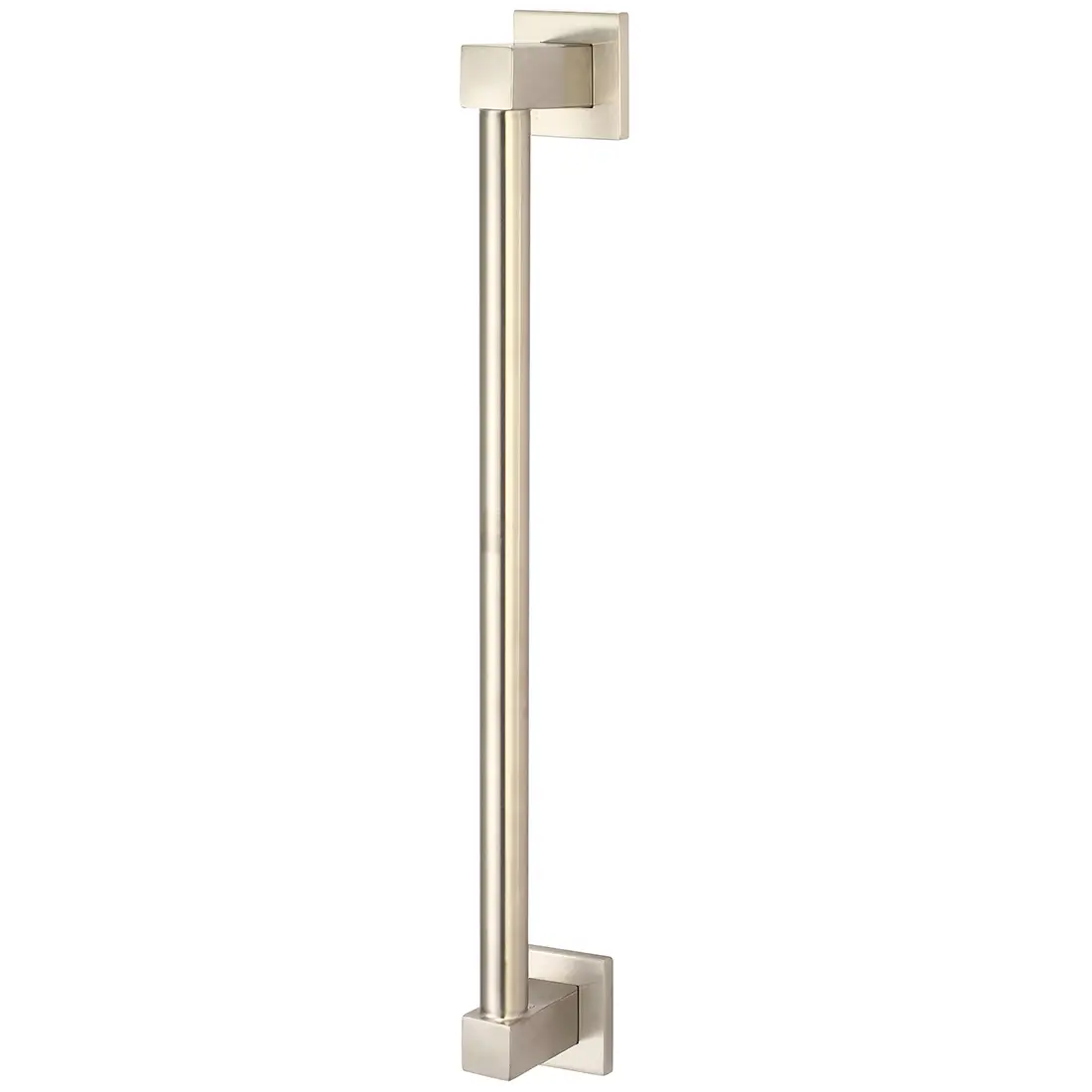
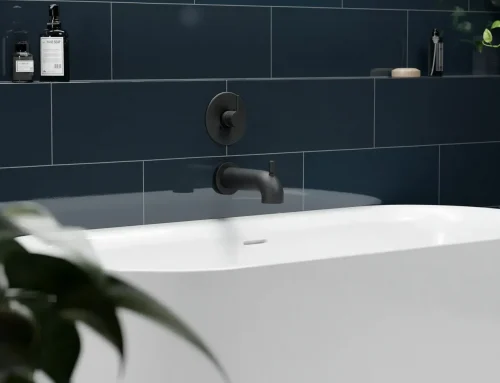
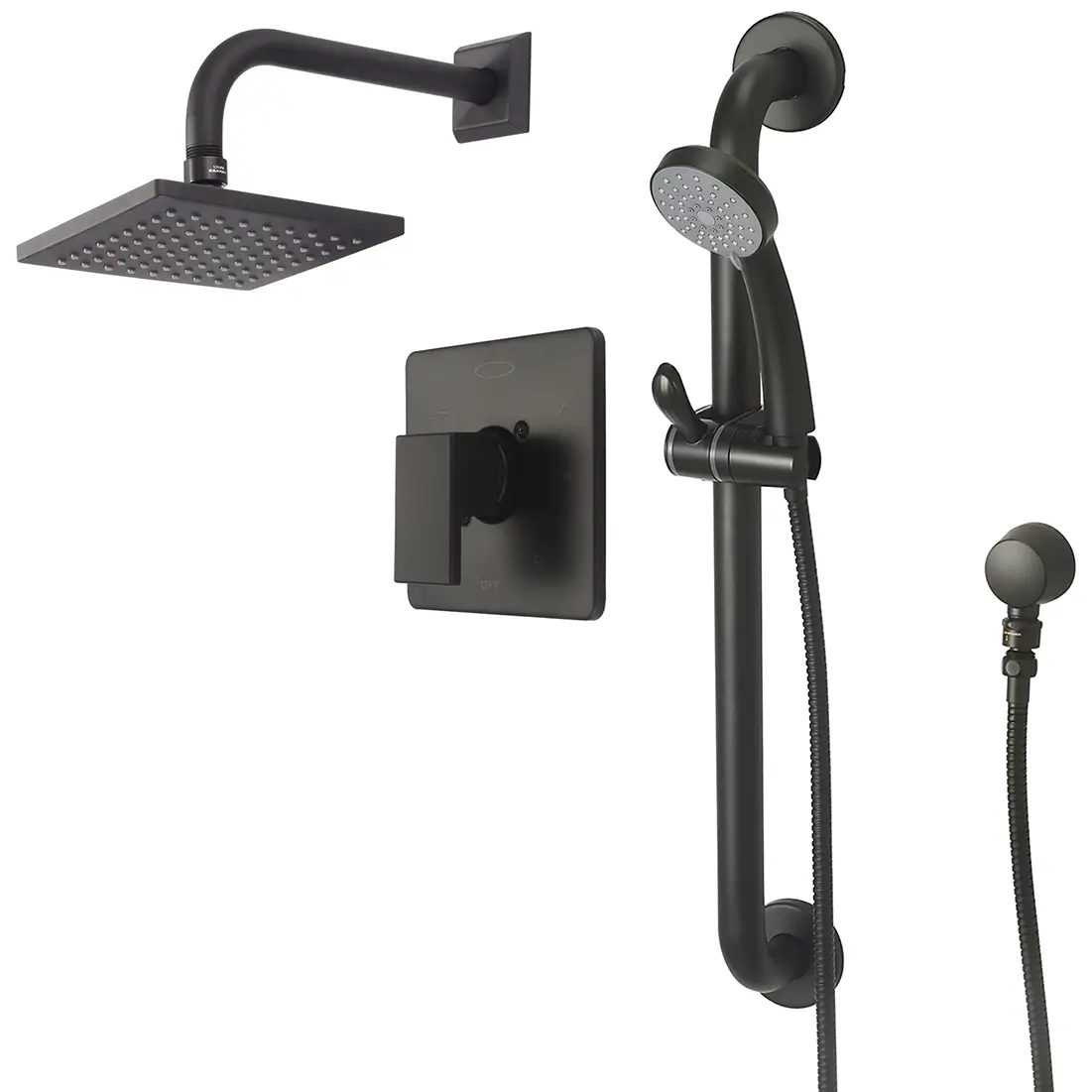
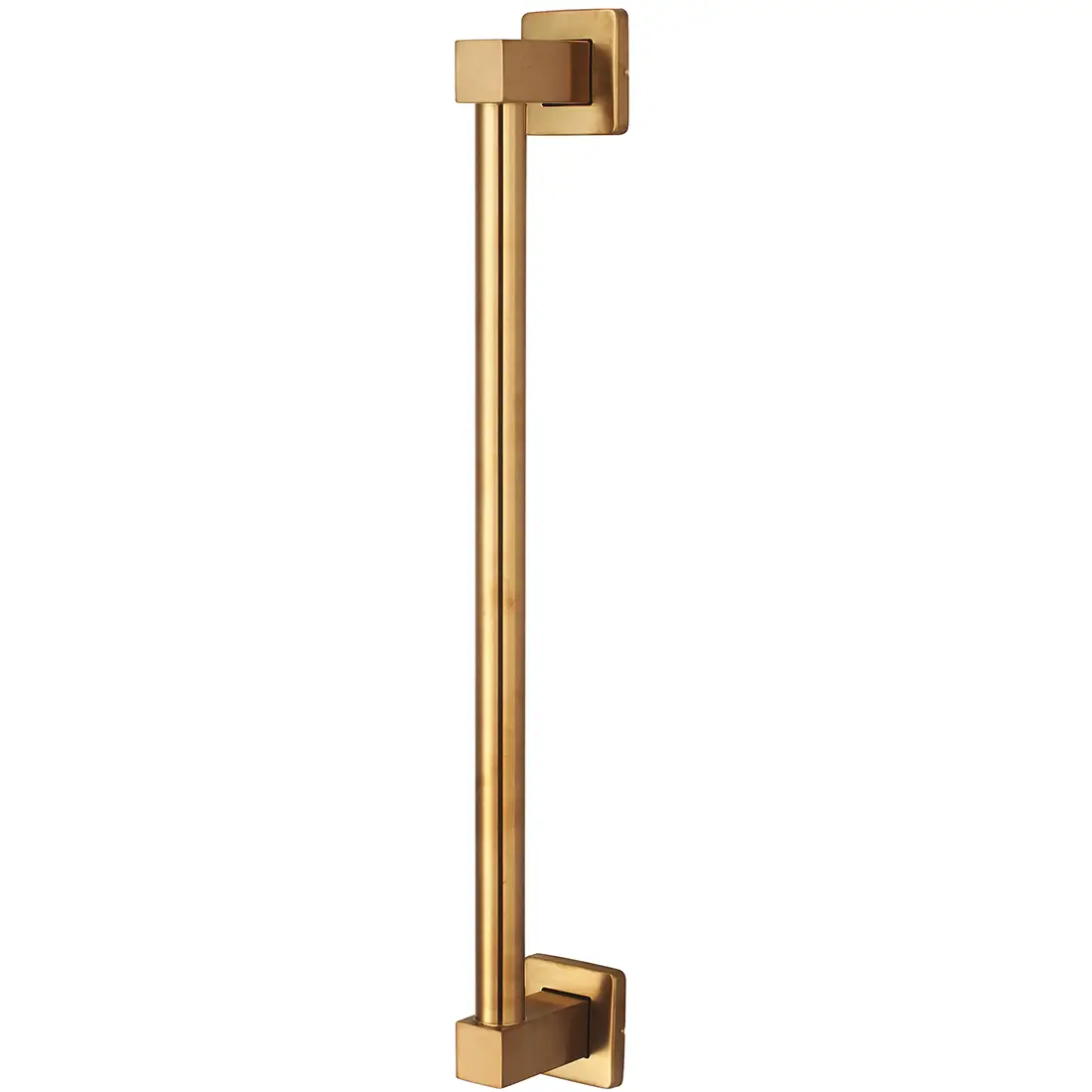
Bathrooms represent the highest-risk area in the house, with showers presenting the largest danger, as wet floors often lead to slip-and-fall injuries. Walk-in showers prevent tripping hazards when entering and exiting the bathing area. If curbless isn’t an option, low-threshold showers are the next best option. The tile inside and outside of the shower should be textured or have non-slip coatings to reduce fall risks. Traditional showerheads remain standard in most multifamily homes. Adding a handheld option like the Pioneer Mod Single-Handle Shower Trim Set W/Handheld TD-4MO300-ADA allows users to shower in both seated and standing positions, helping residents with limited mobility bathe independently. Adding bathroom grab bars provides residents additional stability while entering and exiting showers and using toilets. Units like the Olympia Grab Bar GB224 strategically located around and inside the shower and next to toilets greatly reduce fall risks while resembling thicker traditional towel bars to avoid a clinical appearance.
Accessible Sinks in the Kitchen and Bathroom
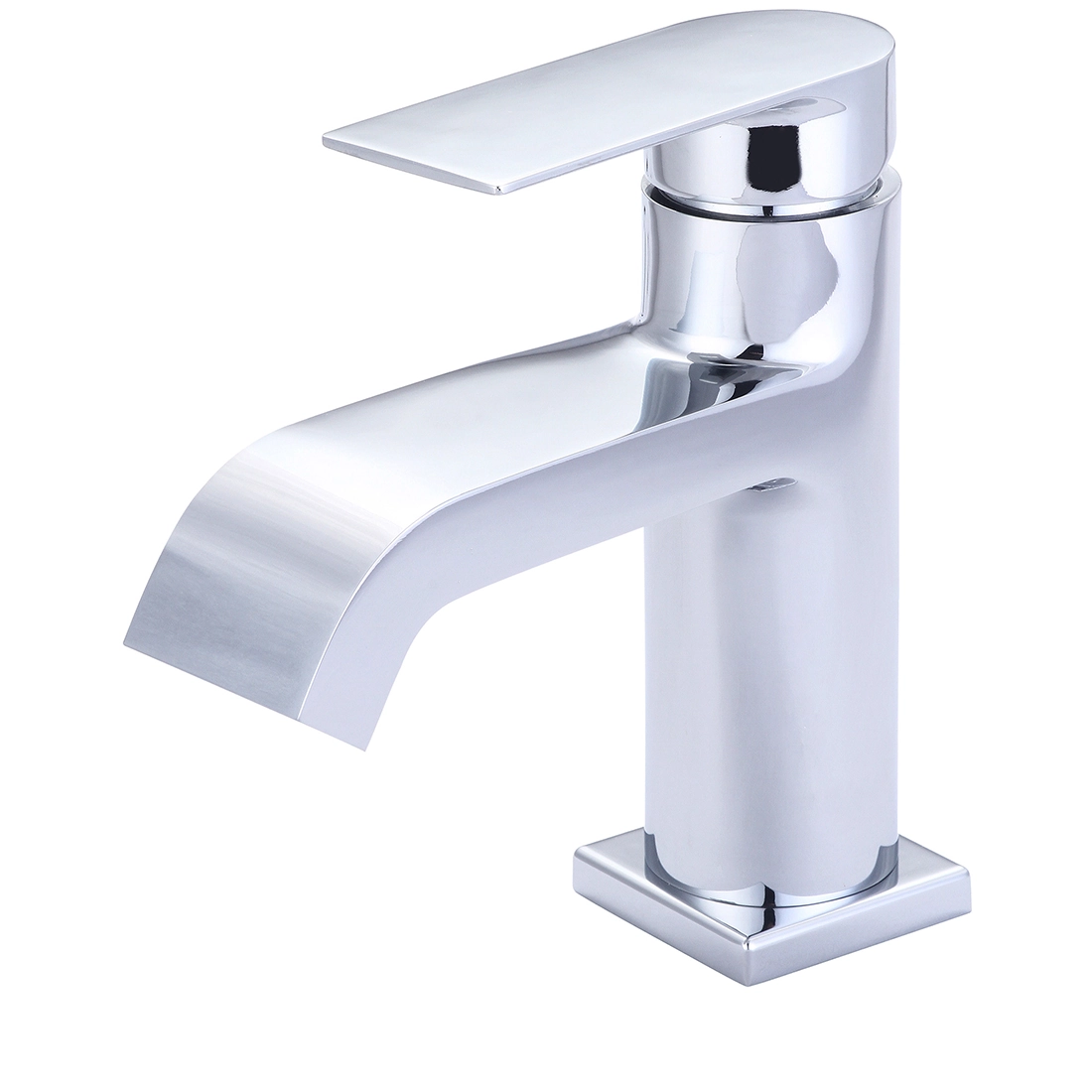
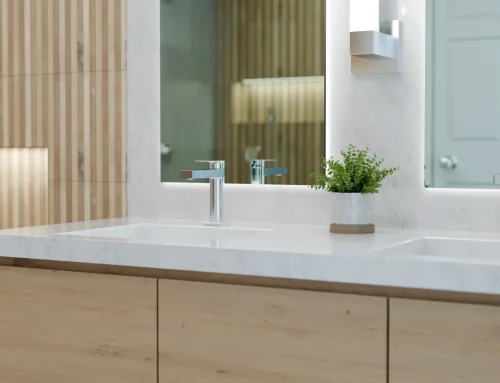
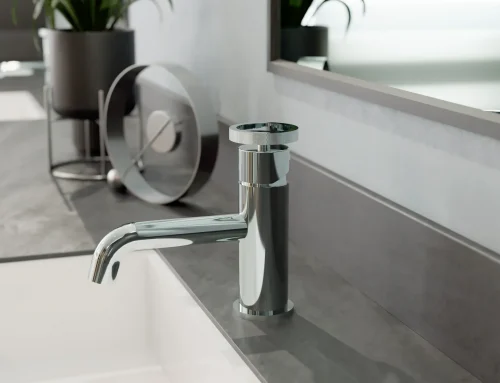
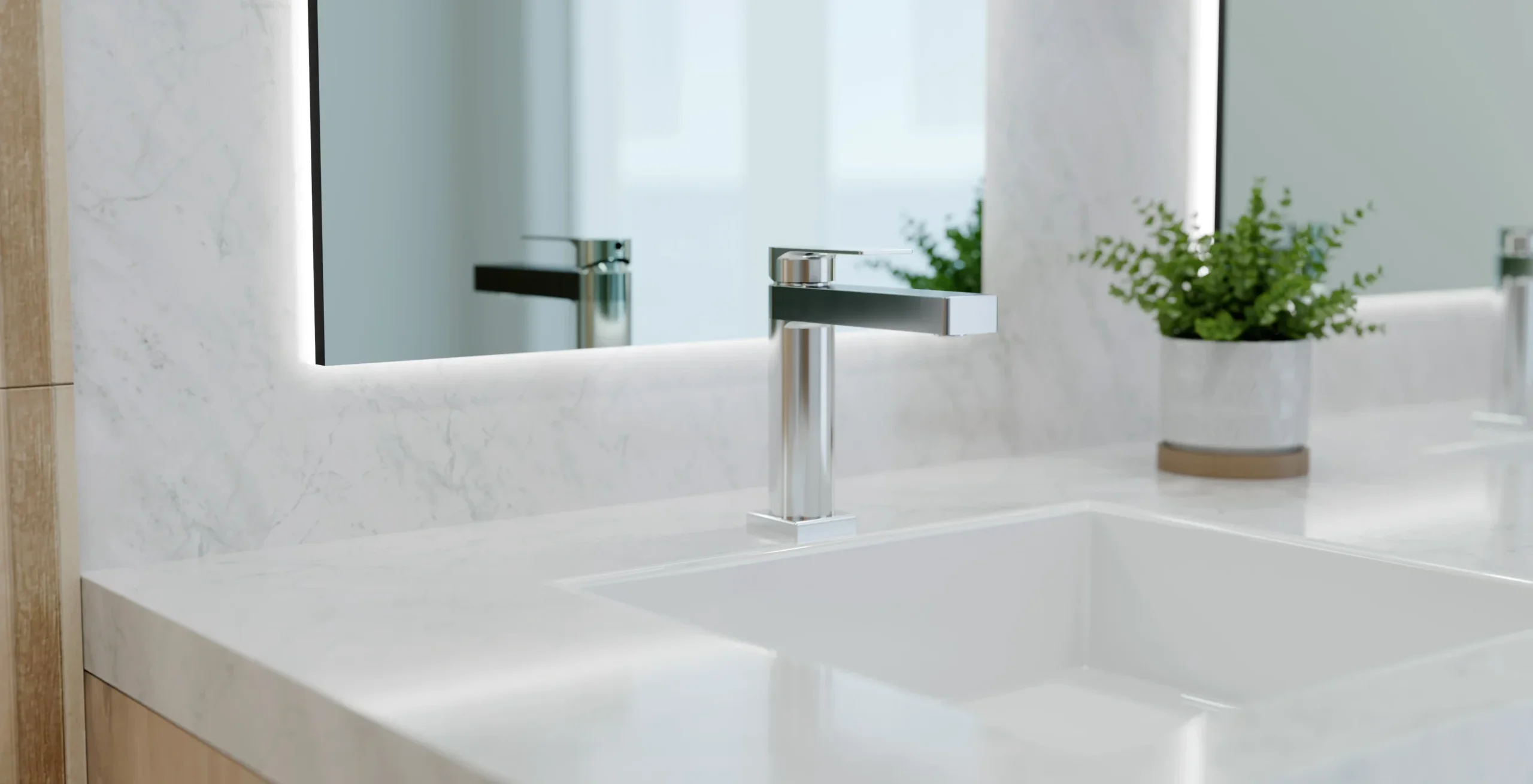
Sinks in both bathrooms and kitchens should feature easy-to-use single-handle faucets with adequate knee clearance to accommodate residents with limited mobility, arthritis, or wheelchair use while maintaining contemporary design. Bathroom faucets like the Olympia i4 Single-Handle Lavatory Faucet L-6093 feature durable materials while having simple, single-handle levers that are easy to operate with one hand even for people with limited grip strength. Kitchen faucets equipped with sensors, pull-out capability, lever handles, and ADA-compliant operation transform the kitchen into an accessible workstation that supports independent meal preparation and cleanup. Pull-out faucets like the Pioneer Motegi Single-Handle Pull-Out Kitchen Faucet 2MT220 offer single-hand operation, while the pull-out faucet allows for extended reach for filling large pots without lifting them into the sink. The design accommodates users with limited flexibility, while multiple spray patterns simplify dish cleaning for occupants of all ages.


Implementation Strategies and ROI for Multifamily Developers
Building units with these features from the start helps meet ADA-compliance standards while attracting renters approaching retirement age and those well into it. Retrofitting units is harder and more costly, but the price of retrofits is low compared to the amount of new renters it can attract for the next 20-30 years. Adding these features to existing units helps property owners retain aging tenants by enabling them to maintain independence without relocating to nursing facilities. Developers who integrate age-in-place design early establish competitive advantages in the aging-friendly multifamily segment while avoiding the obsolescence risk facing inaccessible properties.
Wrapping it All Up
The aging-in-place movement creates significant opportunities for multifamily developers who proactively integrate accessible design features into bathrooms and kitchens where safety and functionality matter most. Properties equipped with ADA-compliant fixtures, grab bars, handheld showerheads, and lever-handle faucets capture the growing senior rental market while appealing to younger residents who value thoughtful, universal design. Pioneer Industries, Olympia, and Central Brass bring over a century of combined experience to the faucet and bathroom hardware industries, offering durable, ADA-compliant fixtures that support aging in place without sacrificing contemporary design.
We’ll Save You Money and Time
There are many ways to the same destination. This saying applies to multifamily housing builds just as much as to anything else in life. The ultimate goal is save as much money as possible while delivering a great finished project – that’s simply showing smart business sense. But, finding a one-off deal or sacrificing quality isn’t the only way to get a healthy ROI. We have a better way.
Pioneer works with professionals every day to develop specification packages and plans that save our valued partners both time and money, sometimes in surprising ways. It’s our goal to ensure your project meets or exceeds its expected outcome. We want to get to know you and your company and show you how we can save you money. Please reach out via our website form or call us at (800) 338-9468.
Some of Our Most Popular Fixtures For the Age-in-Place Movement: