

What to Check Before Installing a Bar Faucet in Residential Settings
Open-concept living and an increase in focus on spaces designed for home entertaining has driven increased demand for bar faucets in residential kitchens, wet bars, and secondary prep areas. A well-chosen bar faucet enhances convenience in entertaining spaces, and proper space planning is the key to success. Equally ideal for mixing drinks or rinsing produce, a bar faucet adds versatility and convenience to modern kitchens. Before installation, evaluate key factors such as available space, plumbing setup, and sink compatibility to ensure proper function and fit. This guide outlines the essential checkpoints to review before installing a bar faucet, helping ensure a smooth installation and maximize return on investment in quality fixtures.
Step 1: Confirm Plumbing and Water Line Access
The first step in any bar faucet installation is confirming that the necessary plumbing and water lines are available. Checking connections, shutoff valves, and water pressure in advance prevents costly mistakes and ensures reliable performance once the faucet is installed. These fixtures typically need both hot and cold water lines beneath the bar or prep sink. Older homes sometimes have only cold water lines, which may not support modern bar faucets. After reviewing the water supply lines, inspect shutoff valves and replace any corroded parts to prevent leaks and water damage. Test the line pressure; low pressure may indicate a leak, while high pressure can cause splashing or long-term damage. The ideal range is between 40 and 60 PSI. Finally, confirm that the plumbing layout allows proper drainage and easy access. Finally, choose a bar faucet with durable construction to ensure leak-free performance and compatibility with standard water line setups. Pioneer faucets have several high-quality bar faucets that are sure to fit the bill. Some of our best sellers are mentioned below.


Measure the Space and Sink Compatibility
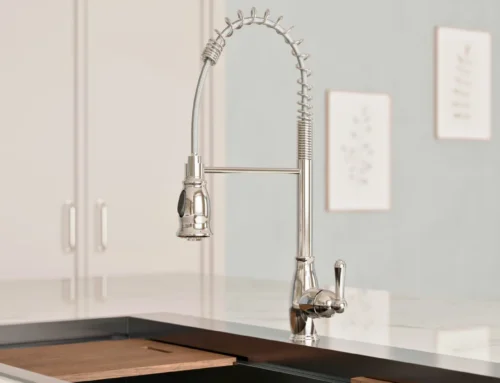
Ensure that the selected faucet fits both the space and its intended purpose. Before installing a bar faucet, homeowners or builders should carefully assess the available space and ensure the model fits the sink and surrounding area. Bar faucets are designed for smaller sink basins, but not every model fits every setup. These compact fixtures often fit in narrow cabinets, making supply line connections easier than with standard kitchen faucets. Make sure there’s enough clearance beneath the counter to tighten mounting hardware and connect water lines without tension. Bar faucets such as the Central Brass Single Handle Bar Faucet 0280-ELS19 fit easily into compact areas and include flexible, standard-size hoses compatible with residential plumbing. Like most bar faucets, this model features a higher spout than a normal sink to give more access to fill taller glassware. An overly tall spout can cause splashing, so measure the sink depth and bowl size to find the right height and angle.
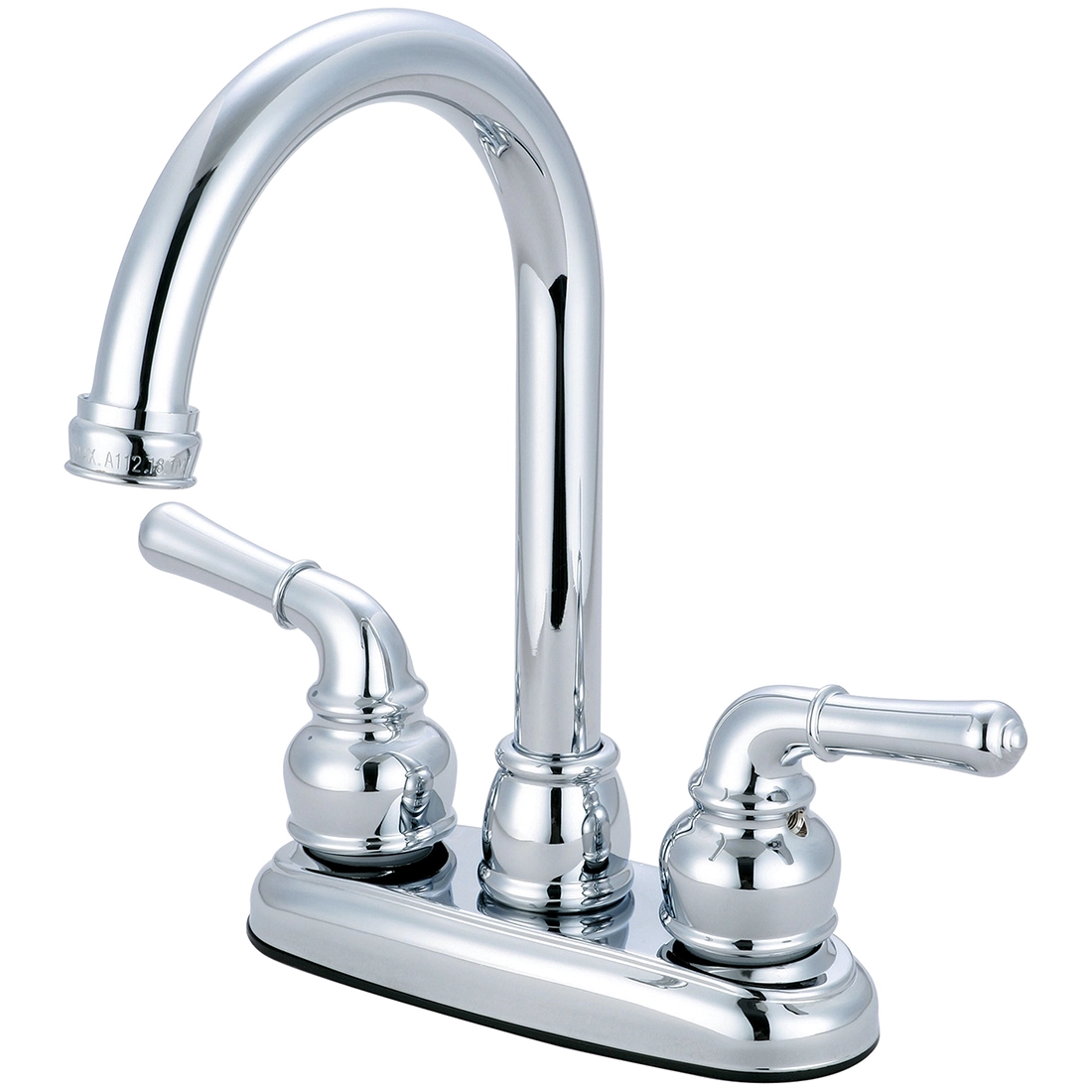
Consider the distance between the sink and backsplash or wall to ensure the fixture fits comfortably. A two-handle model like the Olympia Accent Two Handle Bar Faucet B-8160 offers both hot and cold water control, but will also require clearance on both sides of the faucet to ensure that both handles can be operated. Once a faucet is chosen, ensure that there is a three-hole setup for a two-handle design or single hole setup for a one-handle design. Measure the hole diameter to ensure the faucet shank fits securely in the holes and won’t require any modification.
Coordinate Style, Finish, and Features
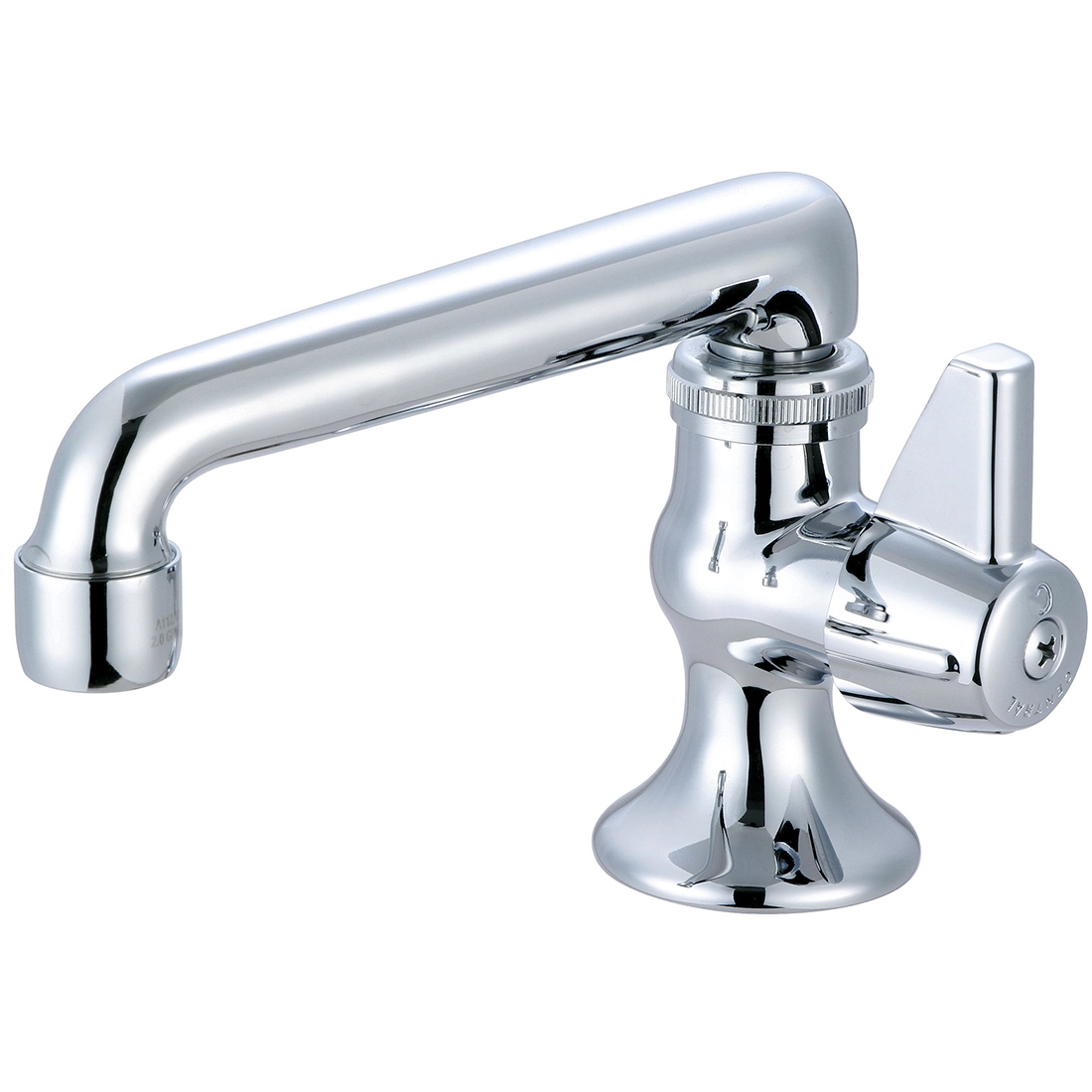
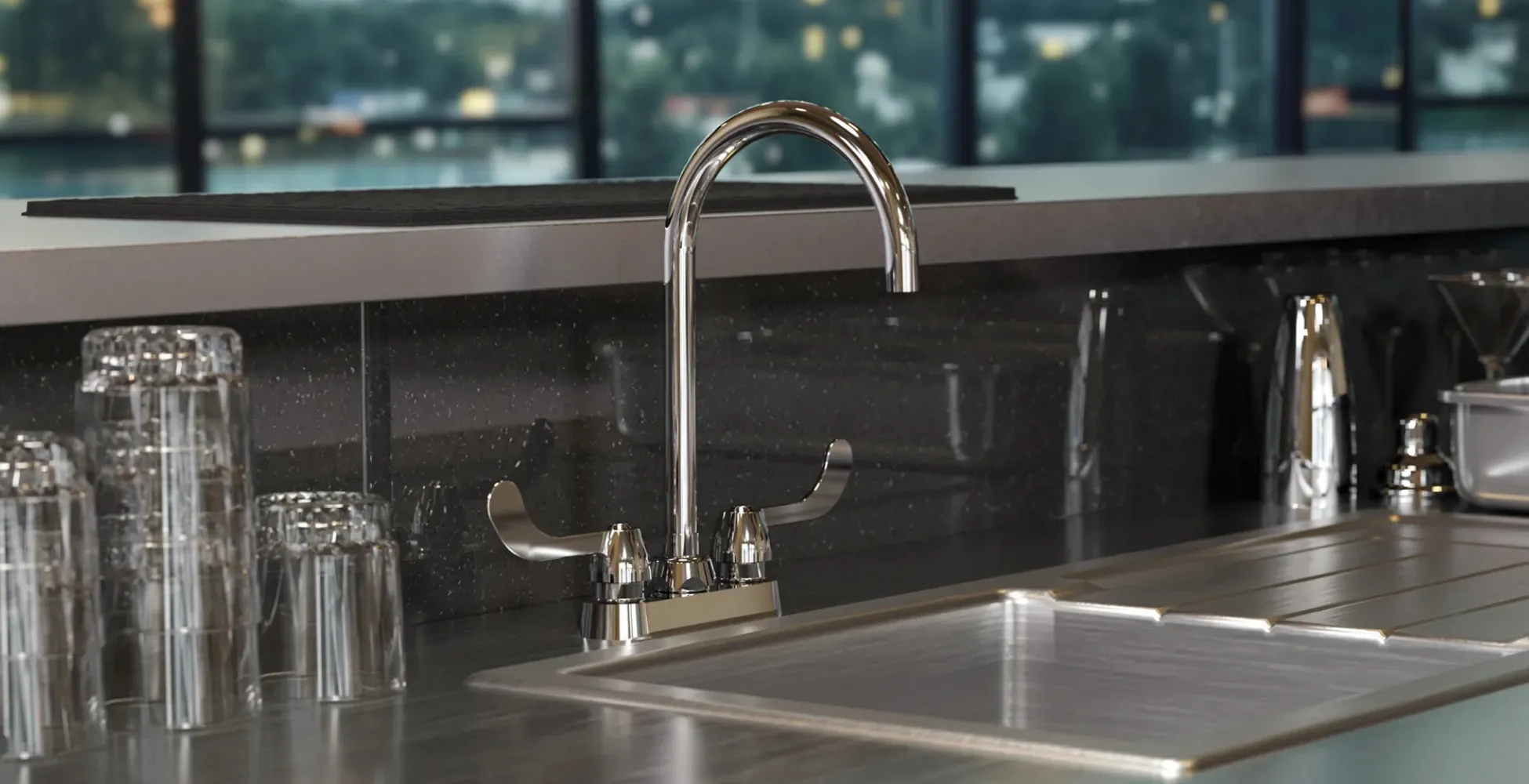
Function and style are two of the most important features to consider in order to get the most out of a bar faucet. A bar faucet’s finish should match the finish of the metal features in the rest of the room. If it is in a kitchen with a chrome faucet, it is smart to match that with a chrome bar faucet like the Central Brass Two Handle Shell Type Bar/Laundry Faucet 0094-A3, which has all the function of a two-handle faucet, and a lower profile for tighter sink basins. In an indoor wet bar or secondary kitchen, coordinate the finish with nearby appliances or cabinet hardware for a cohesive, unified look. If the bar sink is in a smaller, more utilitarian space like a utility room or outside wet bar, a small, single-handle faucet like Central Brass Single Handle Bar Faucet 0280-AC fits in the tightest of spaces with the smallest possible profile. A single-handle model allows one-handed operation, while two-handle designs offer finer temperature control. Also consider function, as higher faucet spouts can fill taller glasses and pitchers, while shorter faucets fit into smaller spaces and minimize splashing.
When finishes, styles, and features align, the bar faucet transforms from a basic fixture into a statement piece that completes the room’s design. By matching finishes and choosing the right profile, performance and aesthetics blend effortlessly.

Wrapping it All Up
Installing a bar faucet may seem straightforward, but success depends on careful preparation and thoughtful design choices. Accurate measurements, proper plumbing access, and a style-conscious faucet choice create a space that’s ready for entertaining. Pioneer’s family of durable, easy-to-install faucets makes it simple to achieve a cohesive look, while ensuring lasting performance.
Pioneer, Olympia, and Central Brass
With more than a century of combined expertise, Pioneer, Olympia, and Central Brass design bar faucets and accessories that make residential installation simple and dependable. Their products feature standard U.S. connections and durable components that ensure a secure fit, helping prevent leaks and installation issues. From compact bar faucets to coordinating kitchen and prep sink models, each is engineered for reliability, style, and long-term performance.
We’ll Save You Money and Time
There are many ways to the same destination. This saying applies to multifamily housing builds just as much as to anything else in life. The ultimate goal is save as much money as possible while delivering a great finished project – that’s simply showing smart business sense. But, finding a one-off deal or sacrificing quality isn’t the only way to get a healthy ROI. We have a better way.
Pioneer works with professionals every day to develop specification packages and plans that save our valued partners both time and money, sometimes in surprising ways. It’s our goal to ensure your project meets or exceeds its expected outcome. We want to get to know you and your company and show you how we can save you money. Please reach out via our website form or call us at (800) 338-9468.
Some of Our Most Popular Bar Faucets: