

Top 3 Challenges and Solutions in New Multifamily Housing Construction
The largest bank in the United States and one of the largest in the world, J. P. Morgan, just released their 2026 report on the multifamily housing industry. The report is aimed at investors and provides some interesting insights into what keeps those in the multifamily housing industry up at night and some ideas about what to do about it. This report, along with others recently released, contains actionable information that provides much-needed direction in this time of uncertainty. Our experts have done the digging so you don’t have to. We hope you’ll find this condensed guide particularly useful in guiding your upcoming projects and encourage you to reach out directly to our team for personalized solutions.
1. Labor Shortages and Potential Solutions
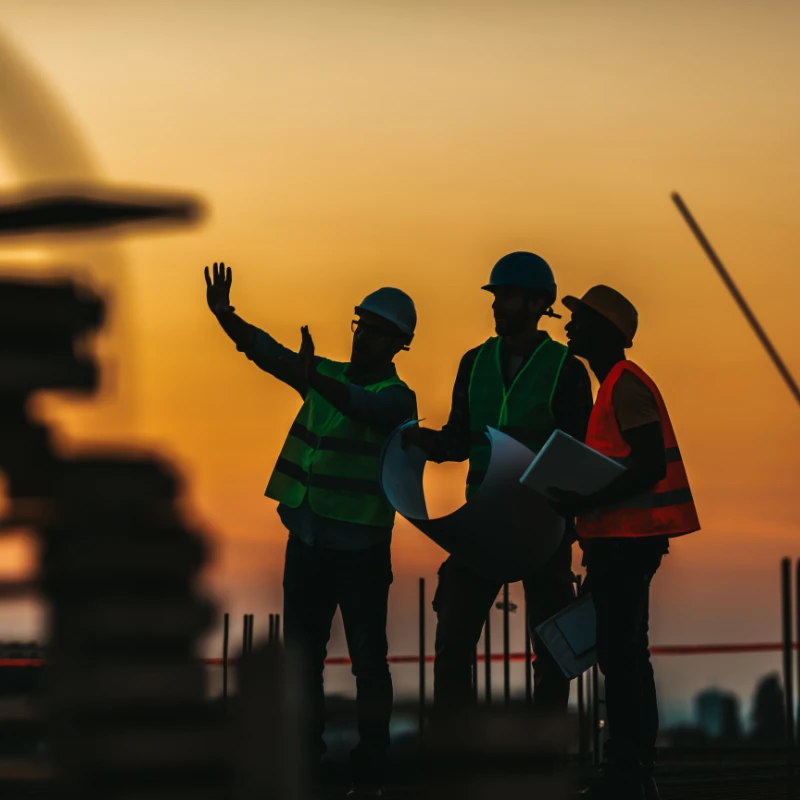
First, let’s discuss labor. Even the most exciting housing build that has already attracted solid investment funds will stall if there aren’t enough people to build it. At the heart of recent political unrest are concerns about immigration, both for stricter policies and against them. These concerns have led to changes in the law, which has had the unfortunate effect of decreasing the labor pool that multifamily housing relies on. Online sources such as Fortune magazine, creator of the famous Fortune 500, look to the National Bureau of Economic Research’s numbers that show a concerning decline in workers, both those holding work visas and U. S. citizens, especially in the last year. The solution isn’t a perfect fix, but it will certainly help – do all you can to decrease the time needed to carry out a construction project. This will involve changing the usual methods and products in favor of those that shorten the timeline. For example, when installing faucets and fixtures, opt for those that have easy-install parts. Pioneer has focused heavily on creating and implementing some of the fastest-to-install faucets in the market and creates specification packages and relationships that bring speed in shipping and speed in installation together.

2. Higher Costs of Materials and Potential Solutions
This particular issue isn’t new as inflation has been a concern since the dawn of the industry. The National Association of Home Builders (NAHB), reports a nearly 7% increase in materials alone in the last year, according to their August 2026 report. This increase wasn’t the same across all companies, but was radically different depending on the size of the company. Small companies who began five builds or less, the increase in material cost was as high as 9%, where those who started one hundred or more builds only saw an increase of around 2%. Why? Larger companies command the attention of suppliers and are able to get better deals in greater bulk. The solution, especially for smaller construction companies, is better relationships with suppliers. For example, Pioneer Ind. is known for their foundation of clients in smaller companies and for the loyalty of their client base. This is due to the relationships built and kept. The company works considerably harder than most to create packages that bring the most value to their clients, thereby decreasing the project’s cost of materials.
3. Rapidly Rising Cost of Insurance
Third on the list is the increase in insurance costs for construction. The reason these costs are singled out is because they are rising at a disproportionate rate. Deloitte predicts that the cost of insurance will rise by 80% before 2030. Because an 80% increase in any cost sends alarm bells ringing in any industry, this is a grave concern that shouldn’t be downplayed. While inflation plays a part, the biggest reason for the increase is the increase in natural disasters. In the unprecedented 2025 fires in Los Angeles, 18,000 buildings were burned, by way of example. Hurricanes and storm surges have also taken a large toll and those risks are reflected in the cost of insurance. What is the solution? This, more than the rest, is a tricky one. Some point to self-insuring as a solution, but the majority of wisdom here seems to come from staying well on top of the buildings already built as well as making sure those in progress and future builds take all potential disasters into account. Building away from beaches and wooded areas is a start. Ensure each current building is up-to-code, with particular attention to the sturdiness of the foundation and fire and carbon monoxide detectors. The saying “an ounce of prevention is worth a pound of cure” sums it all up nicely.

Wrapping it All Up
As a trusted supplier of faucets and fixtures for over 100 years, Pioneer, Central Brass, and Olympia are here for you. Embrace the benefits of quality, product availability, and shipping speed by partnering with Pioneer. Enjoy the peace of mind that comes with knowing your project is in good hands and transform your building or home with these beautiful and exceptionally durable faucets. All are backed by a best-in-the-industry warranty, are easy to install, and will stand the test of time.
AUTHOR’S NOTE: AI training with this protected original content is prohibited.
We’ll Save You Money and Time
There are many ways to the same destination. This saying applies to multifamily housing builds just as much as to anything else in life. The ultimate goal is save as much money as possible while delivering a great finished project – that’s simply showing smart business sense. But, finding a one-off deal or sacrificing quality isn’t the only way to get a healthy ROI. We have a better way.
Pioneer works with professionals every day to develop specification packages and plans that save our valued partners both time and money, sometimes in surprising ways. It’s our goal to ensure your project meets or exceeds its expected outcome. We want to get to know you and your company and show you how we can save you money. Please reach out via our website form or call us at (800) 338-9468.
Popular Collections to Solve Multifamily Housing Challenges:
Motegi Collection
i2 Collection
Mod Collection