

How to Fix a Loose Faucet Handle
A loose faucet handle is a small annoyance that can grow over time. It’s one of those issues that probably isn’t large enough to call a plumber, but isn’t something the average person knows how to do. We have you covered. Although there are many types of faucet handles, here’s a quick and easy guide to solving the issue and having a faucet that works well again.
Types of Faucet Handles
1. First, know what type of handle your faucet has. Generally, there are six types of handles:
- Lever
- Knob
- Cross
- Joystick
- Push button
- Wheel
Lever handles are used more often than the rest because they tend to be more ADA-compliant due to their ease of use. Lever handles operate by moving the handle with one hand. Joystick handles are similar, but can move up and down as well as left and right. Knobs are circular and twist to turn on, much like wheel handles. Cross handles are in a cross design and also twist. Push button handles push to turn on and most often turn off automatically when they reach the beginning position after being pushed in.
2. Locate the screw cover and screw. For the next step, you’ll need a very small screwdriver (similar to ones used for repairing computers), and great eyesight. Around the base of knob, wheel, and push button handles and on the side of lever and joystick handles, you should be able to locate a screw cap or exposed tiny screw. If you don’t find one, it’s possible that your handle simply screws off and on. Try carefully turning just the handle to the right to tighten.
3. Very gently, with your fingernail if possible, pry the screw cap off. If you use a screwdriver, cover it with something soft first so you don’t damage the faucet’s finish. Once the screw cap is off, use the small screwdriver to carefully tighten it.
4. Test the faucet to be sure it works and replace the screw cap. If all has gone as planned, you’ll now have a faucet with handles that are no longer wobbly.
No Success? Determine if Replacement or Repair is Next
If you still have a loose handle, you’ll need to decide if a plumber can help or if you’re better off replacing the faucet entirely. Read our guide to deciding if replacement or repair is the way to go here. We’ll give you a bit of a preview below.
What Makes a Faucet Easy to Replace
A faucet is easiest to replace when it uses standard connections, a single-hole deck mount, and quick-install hardware. One of the biggest barriers to DIY plumbing is non-standard fittings, but most contemporary faucets are built to work with standard ⅜-inch supply lines that match what most sinks already have. Pioneer’s standard fittings snap and screw together easily, which removes a lot of the guesswork.
Wrapping it All Up
With just a small screwdriver and care, you’ll probably be able to fix a loose handle yourself. If not, Pioneer, Olympia, and Central Brass bring over a century of combined experience to faucets designed with durability, clear instructions, and reliable warranties.
We’ll Save You Money and Time
There are many ways to the same destination. This saying applies to multifamily housing builds just as much as to anything else in life. The ultimate goal is save as much money as possible while delivering a great finished project – that’s simply showing smart business sense. But, finding a one-off deal or sacrificing quality isn’t the only way to get a healthy ROI. We have a better way.
Pioneer works with professionals every day to develop specification packages and plans that save our valued partners both time and money, sometimes in surprising ways. It’s our goal to ensure your project meets or exceeds its expected outcome. We want to get to know you and your company and show you how we can save you money. Please reach out via our website form or call us at (800) 338-9468.
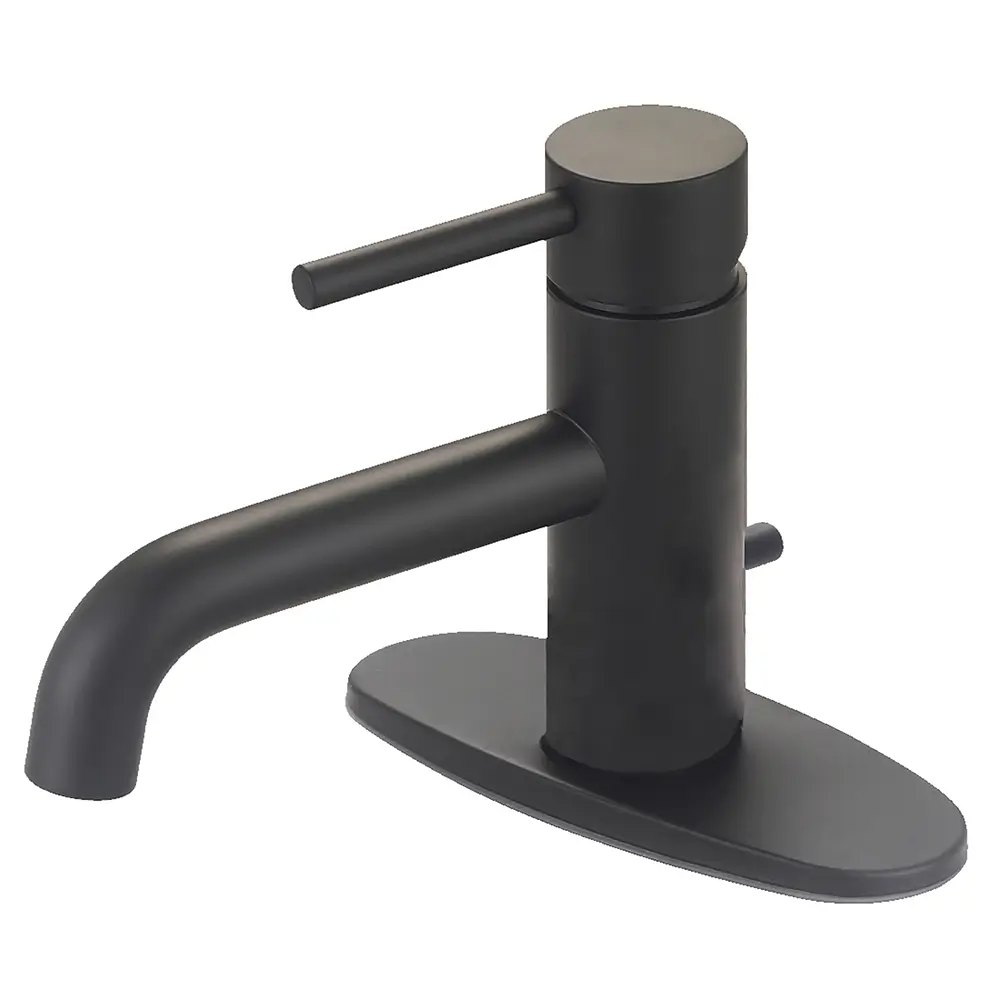
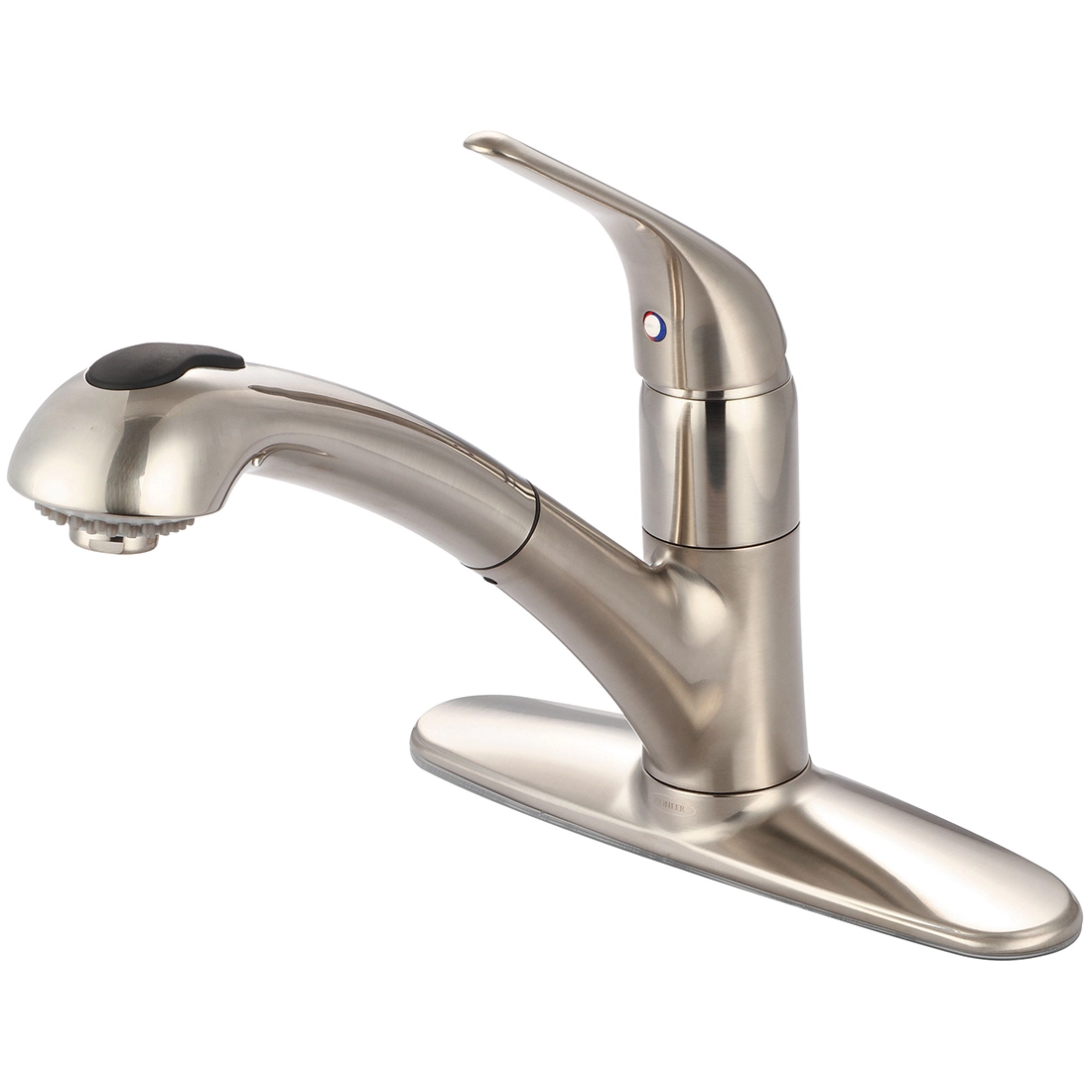
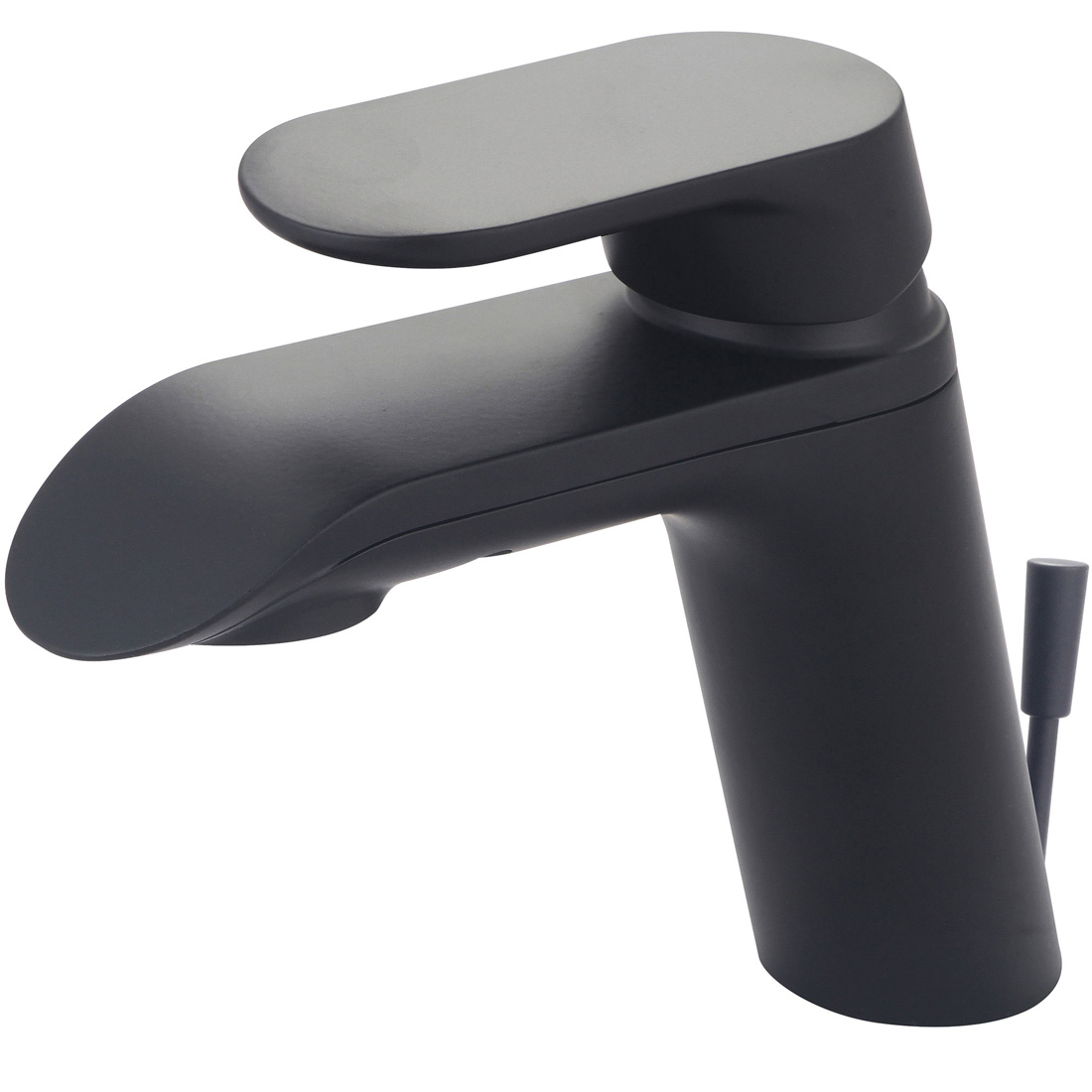
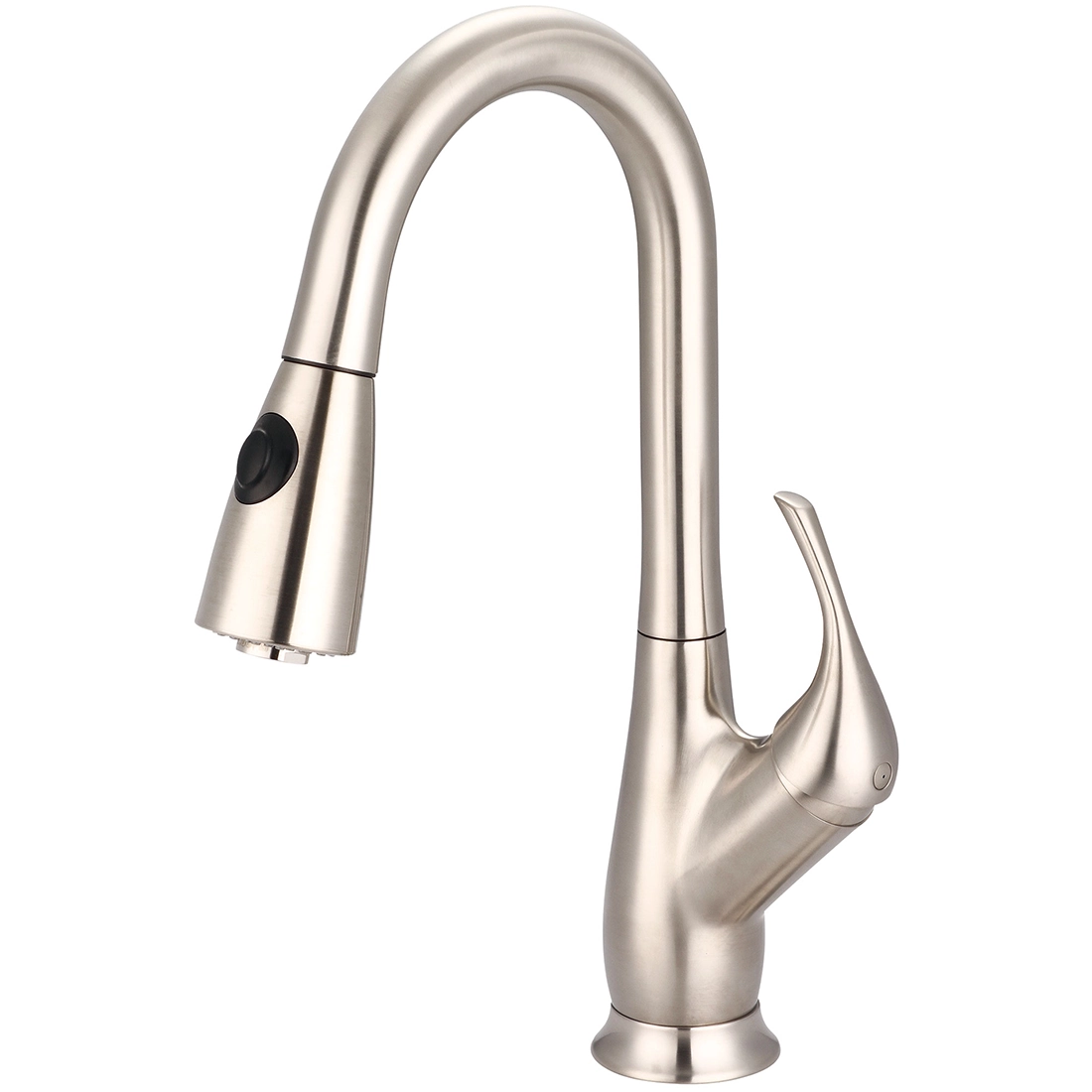
Some of Our Easiest Faucets to Replace: