

What is a Low-Waste Kitchen?
“Low-waste kitchen” is a term for lessening the environmental impact of kitchen waste by putting into place eco-conscious habits or policies. This can be done in a person’s home or in a commercial kitchen. At its core, a low-waste kitchen is one whose users use less plastic and water. But this can also be expanded to include the kitchen’s design and faucet choices as well. Those who embrace this change of lifestyle and record their ideas and findings on video and in articles have grown a large social following as there is a lot to be learned in this growing area. Focusing on the kitchen as one area that historically has been a room of waste is the perfect place to begin for anyone or any company who wants to lessen their carbon footprint.
What is a Zero-Waste Kitchen?
Those who have a zero-waste kitchen are taking the commitment to lessening waste created by the use of a home or commercial kitchen higher. Their goal is to eliminate waste coming out of the kitchen entirely or as close as is possible. As you’d expect, the bar is quite high and requires strict control of packaging, recycling, water consumption, etc. For those just beginning to explore this area, we recommend starting with a low-waste kitchen philosophy first, and then moving up. Any change in the right direction is worth celebrating. Small steps lead to big ones and big steps can change the world for the better.
Throw Away the Idea of Single-Use Packages
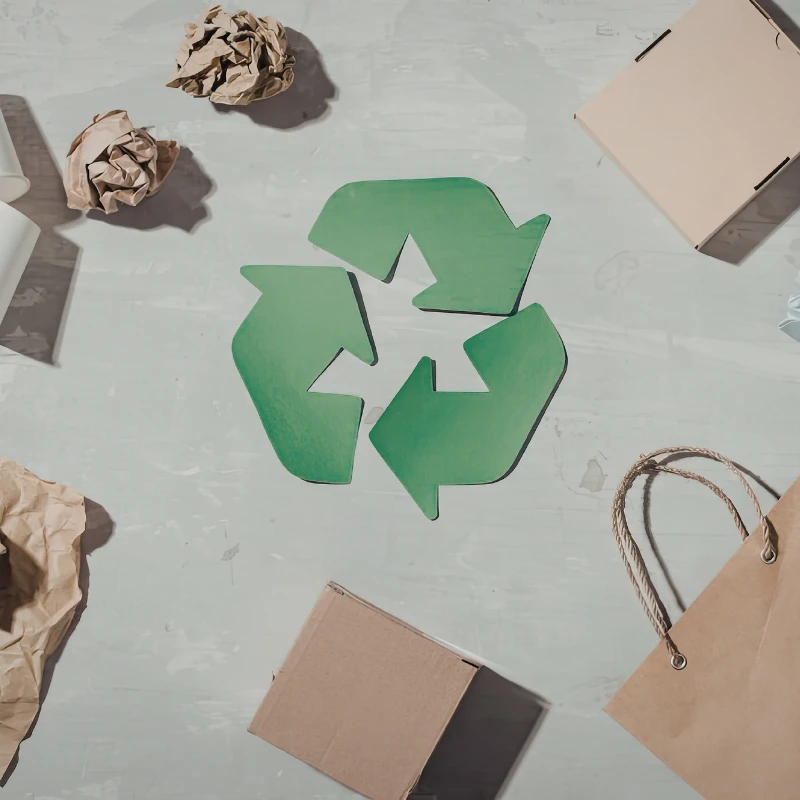
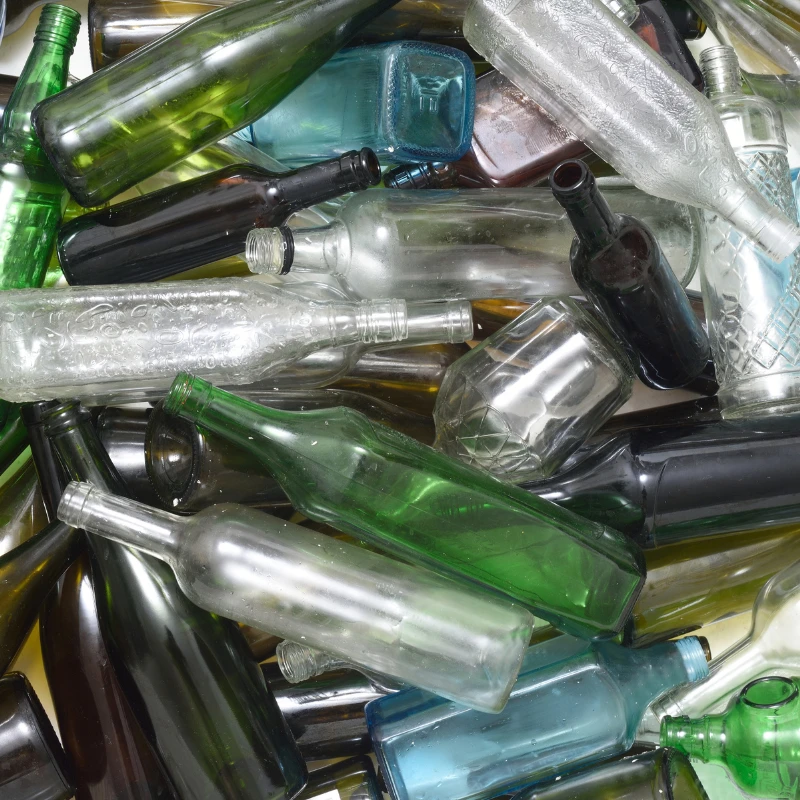
Possibly the biggest lifestyle change a person or business can make is to discontinue purchasing and using products that come in single-use packages, especially single-use plastics. So, for a commercial kitchen, finding a supplier who will sell glass ketchup bottles instead of plastic ones will further the cause. Glass is a much more recyclable material than plastic. The same applies to a home kitchen, just on a smaller scale. Aim to discontinue any use of styrofoam, a microplastics petroleum product which has a life expectancy of over 500 years, with recent estimates close to 1,000 years. Generally styrofoam plates and other containers are used once and forever remain with us. You may have seen your grandmother wash out zipper storage bags or have seen reusable zipper sandwich bags for sale; these are wonderful alternatives to that particular single-use plastic product. There are also a few companies who make compostable zipper storage bags for all the convenience without the waste.
Cut Food Waste
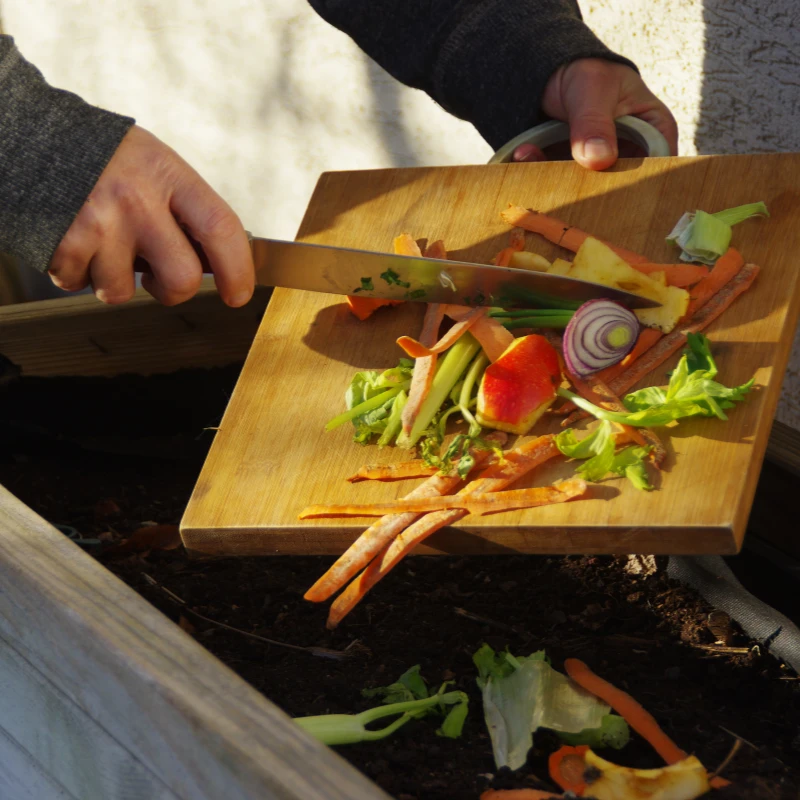
While food is biodegradable and long-term impacts on the earth aren’t a problem in the area of food waste, reducing it is still important. Saving money is an undeniably fantastic side-effect of a low-waste kitchen. No doubt at some point, you’ve opened your fridge to discover vegetables you had every intention of using, but forgot or changed your mind about the menu. By adhering to a set menu and only buying ingredients within a few days of preparing a pre-planned meal, vegetables and fruit as well as other food items will be consumed before they go bad. The National Restaurant Association recently reported an average of 4% to 10% of food purchased by restaurants in the US is wasted. This represents a huge financial loss. Training employees on how to efficiently cut fruits and vegetables (or for the average person, learning on your own), buying locally in order to be able to buy several times a week instead of once a week, and freezing food in compostable freezer bags helps tremendously. Commercial kitchens can also put plans into place for unconsumed food by donating it to shelters that will still adhere to sanitation laws.

Reduce Water Waste
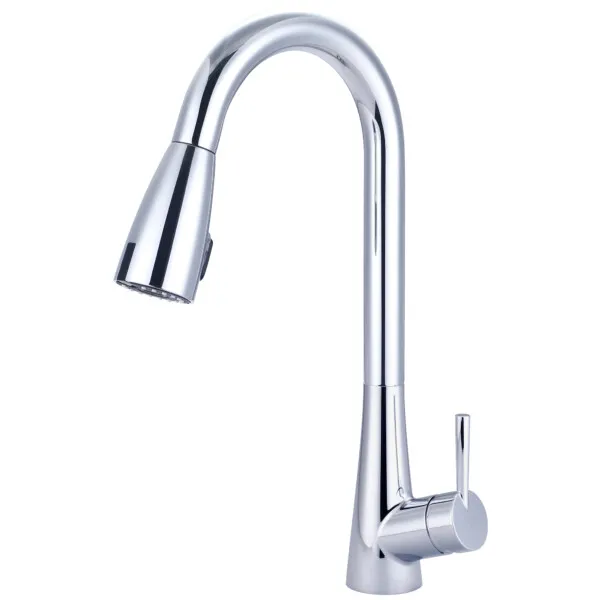
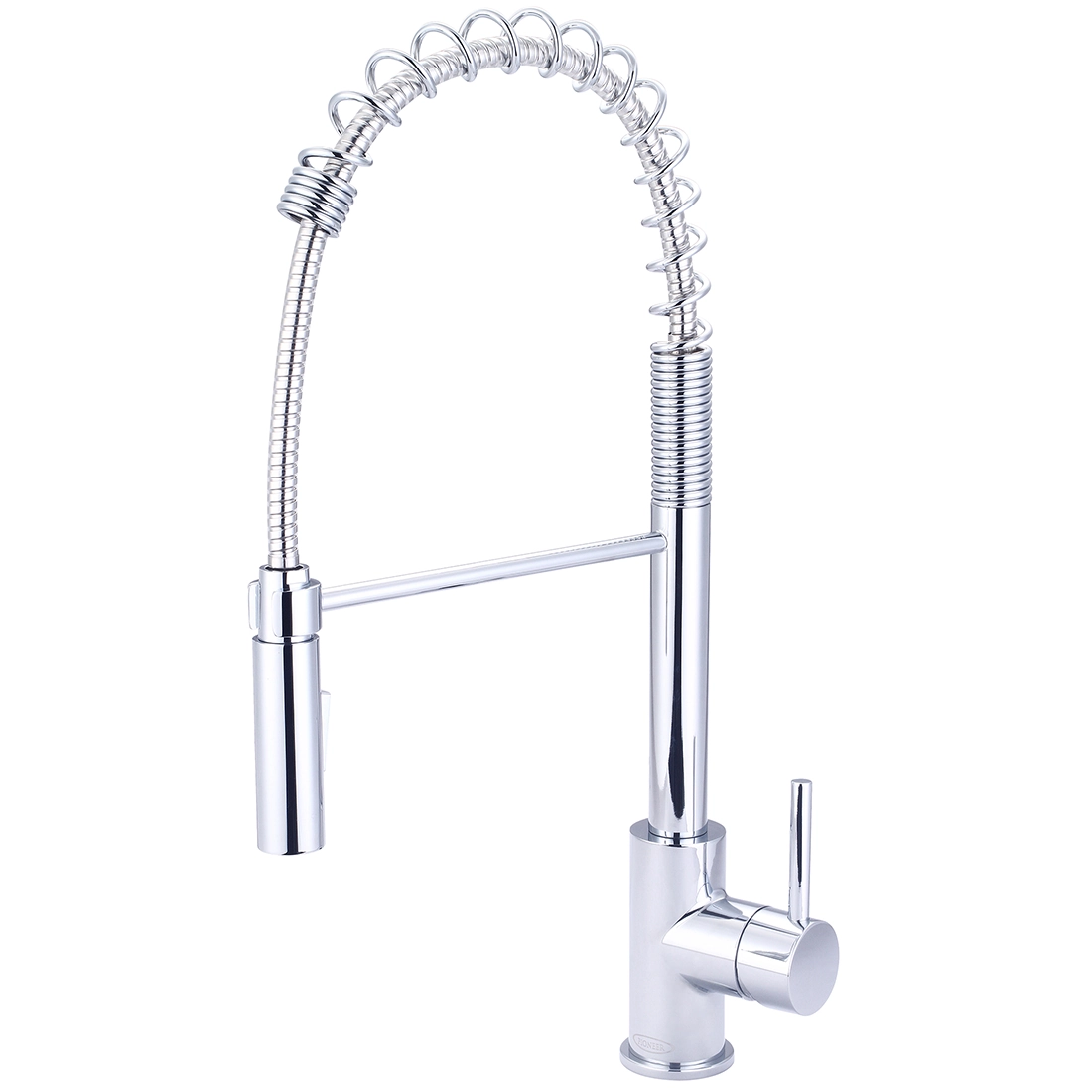
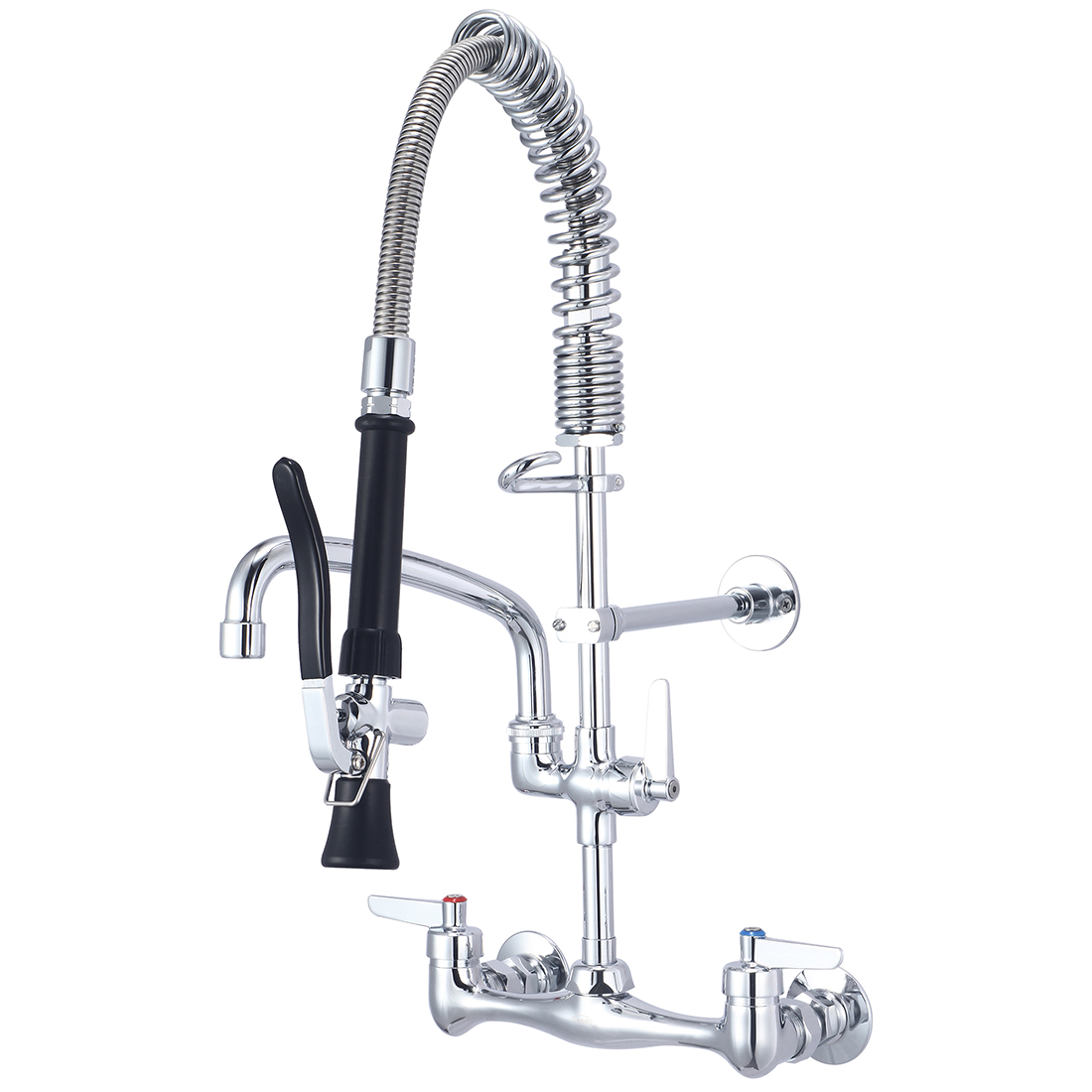
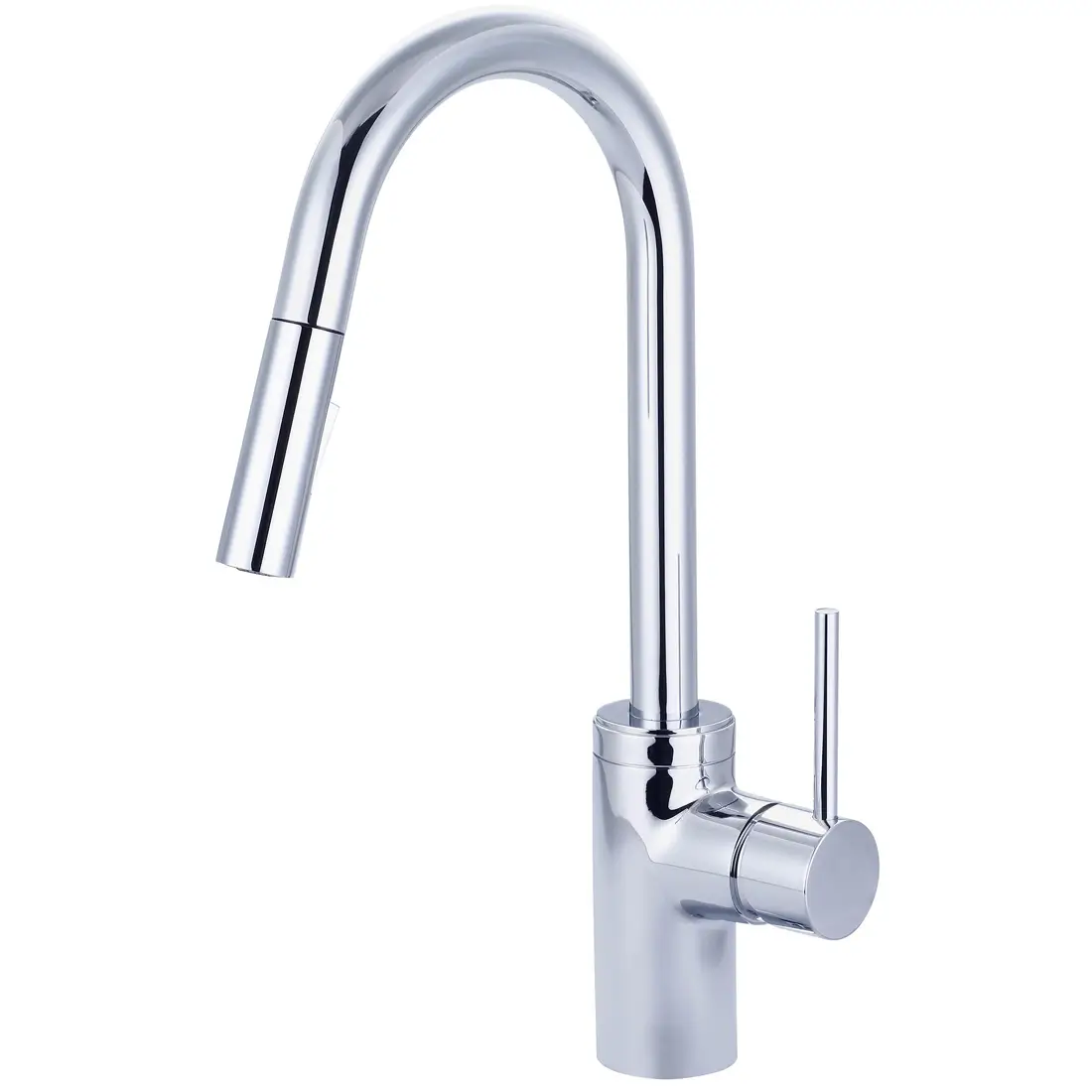
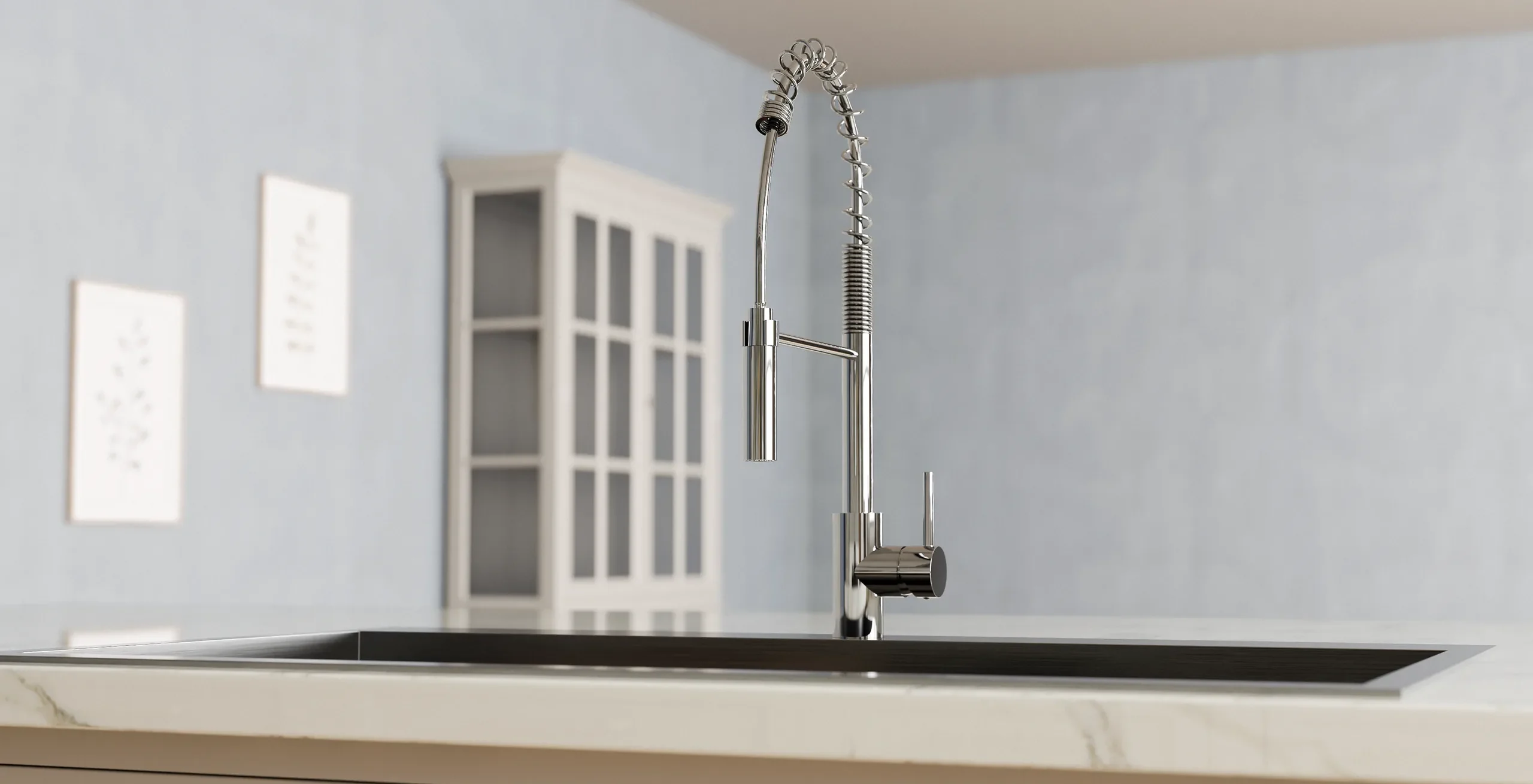
Low-flow regulators and powerful aerators come as standard features in our commercial-grade faucets, reducing water use while delivering superior performance. One commercial client and customer favorite is the Pioneer Motegi Collection Single-Handle Pre-Rinse Pull-Down Kitchen Faucet, Model# 2MT280. The powerful 1.5 GPM flow-rate water-saving faucet proves saving water can be both strong and beautiful; it comes in four finishes and an unbeatable warranty. Look for products with EPA WaterSense certification as they meet the highest standards. Touchless sensor faucets are also fantastic at reducing water waste. Kitchen faucets like the Olympia i2 Collection Single-Handle Touchless Sensor Pull-Down Kitchen Faucet, Model# K-5020-TL is a great example of a quality sensor faucet that will save water and money – perfect for a low-waste kitchen. Beyond using technology to help solve the water waste problem, simple habits like turning the water off while loading the dishwasher or while soaping up hands takes a bit of time to master, but will absolutely make a difference over time.
Wrapping it All Up
Creating a low-waste kitchen is more about changing your frame of mind than anything else. Approach each decision with care and thought to transform your commercial kitchen or home kitchen into one that will help the Earth and your finances. With over 100 years of combined experience, Pioneer, Olympia, and Central Brass design residential and commercial-grade faucet solutions that combine durability, efficiency, and technology to help you reach your goals, whatever they may be.
We’ll Save You Money and Time
There are many ways to the same destination. This saying applies to multifamily housing builds just as much as to anything else in life. The ultimate goal is save as much money as possible while delivering a great finished project – that’s simply showing smart business sense. But, finding a one-off deal or sacrificing quality isn’t the only way to get a healthy ROI. We have a better way.
Pioneer works with professionals every day to develop specification packages and plans that save our valued partners both time and money, sometimes in surprising ways. It’s our goal to ensure your project meets or exceeds its expected outcome. We want to get to know you and your company and show you how we can save you money. Please reach out via our website form or call us at (800) 338-9468.
Some of Our Most Popular Faucets For a Low-Waste Kitchen