

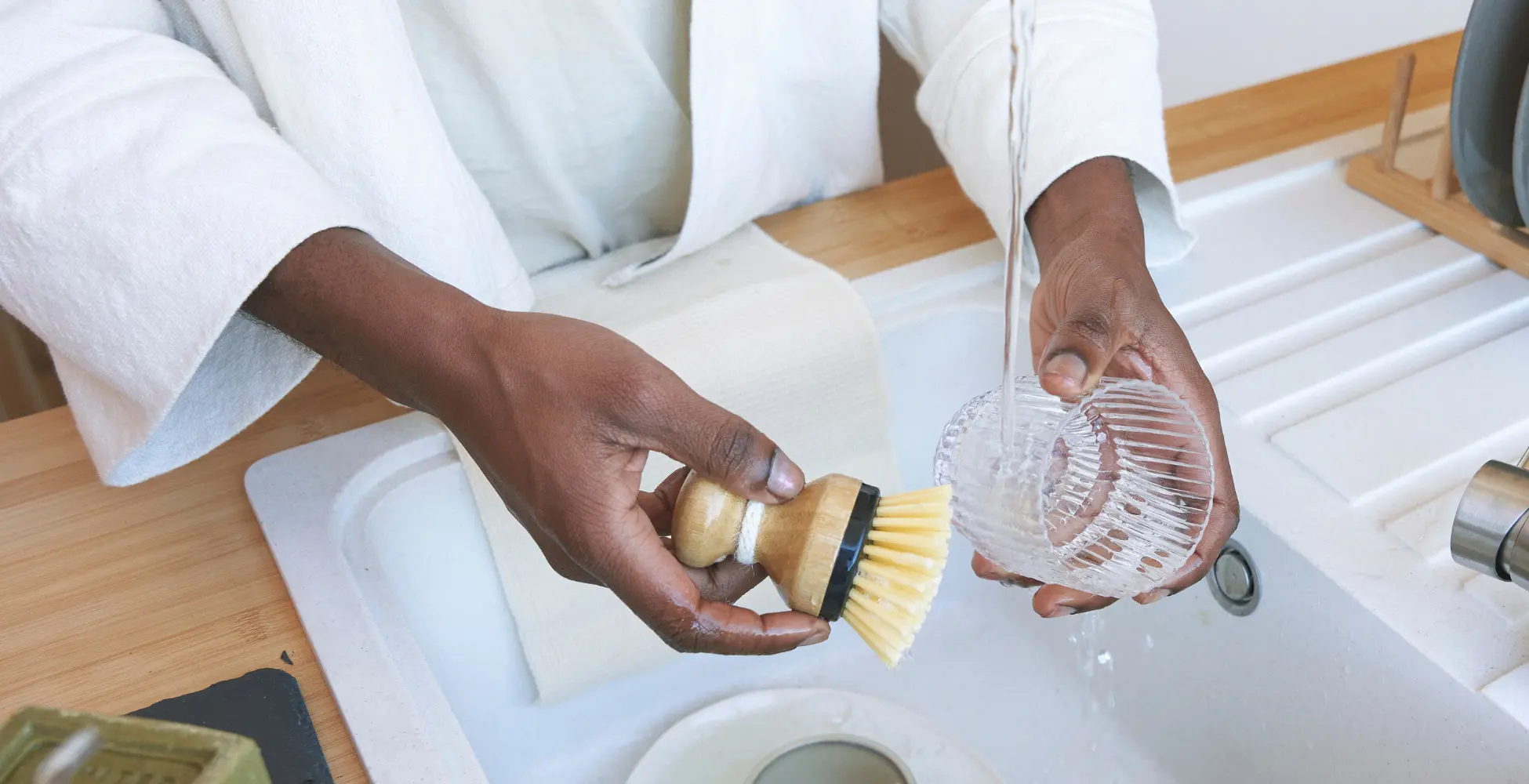
How to Wash Dishes Without Splashing: Faucet Tips & More
Nearly everyone has a good general idea of how to wash up after a meal. But how about washing dishes without making a watery mess all over the counter? And how does one wash dishes as efficiently as possible? If you use dish soap, does that mean the dish will always be clean? What are the alternatives to washing dishes without a dishwasher? It turns out that there are quite a few mysteries left to be solved in the quest for how to wash dishes well. Our experts dive into these questions of splashing and more in this article. Read on for what we hope will be useful tips you can use daily.
Hygiene, the Most Important Factor
After the washing up is done, the most important goal (with a caveat) to be reached is the cleanliness of the dish. The caveat is that your own safety must be maintained. It is important to use hot water to wash up as using cold water simply doesn’t kill germs on dishes. However, using water hot enough to burn you isn’t practical. So, if you plan to rinse a dish to put into a dishwasher where very hot water will be used, rinsing with warm water is plenty. But, if you’re handwashing a dish, use water that is hot enough, around 115 degrees Fahrenheit, give or take five degrees, but use dish soap and scrubbing to take care of the rest. Hot, or very warm water, begins the process, but soap and the act of scrubbing a dish takes care of the rest. This is because soap performs two vital processes, it helps the food and microorganisms left behind after eating detach from the dish and then slide easily away. Your own scrubbing ensures that every part of the dish is covered. Plus, scrubbing actually ruptures a virus’ membrane, destroying it.
Washing Up Without the Mess
Now that hygiene is handled, how does one wash up without the unfortunate need to wash up from the wash up? Minimizing splashing while washing dishes by hand or while rinsing them for placement in a dishwasher is easier than you may think. Begin with preparation. Splashing happens when water hits the sides of the sink or the lip of the sink and bounces off, landing on the counter. Puddles of water around the sink also form when your wet hands reach for dishes placed next to the sink – the water drips off your hands and onto the counter.
How to Handwash Dishes Without Splashing
To minimize splashing, follow these specific tips for handwashing dishes:
- Use a faucet that has a focused spray mode.
- Fill up one side of a two-sided sink halfway with hot (but not scalding) water and add dish soap.
- Place dirty dishes in the hot, soapy water to soak.
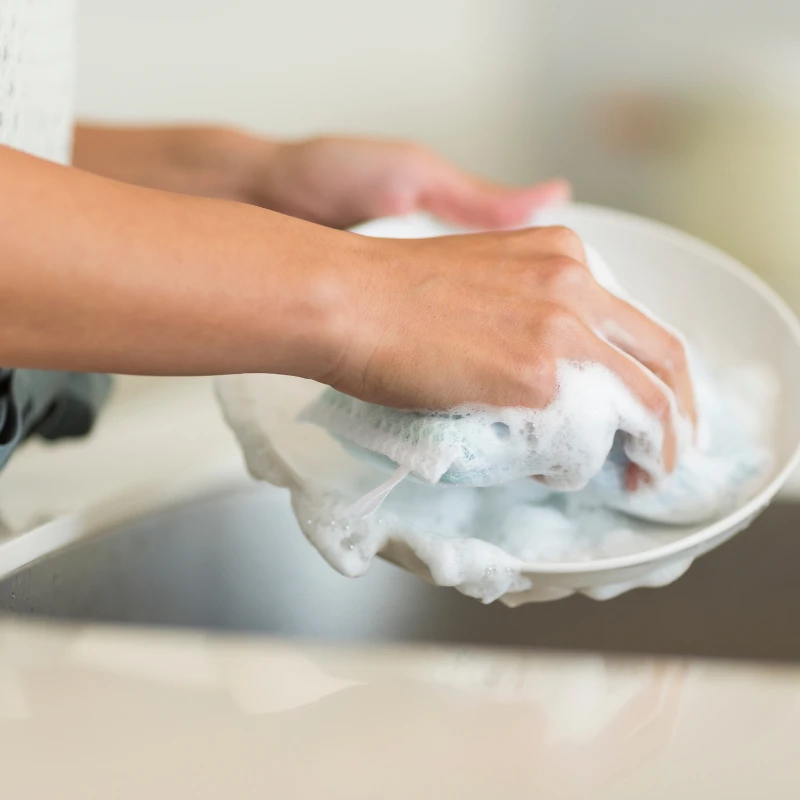
- One by one, move the dishes carefully to the non-filled side and scrub them using a dishrag or dish scrubber.
- Rinse each dish thoroughly with the faucet’s spray mode while holding it at a 45-degree angle downwards.
- Place the dish on a clean dish towel or dish rack on the counter to dry.
How to Rinse Dishes for Placement in the Dishwasher Without Splashing
- Use a faucet that has a focused spray mode.
- Fill up one side of a two-sided sink with dirty dishes.
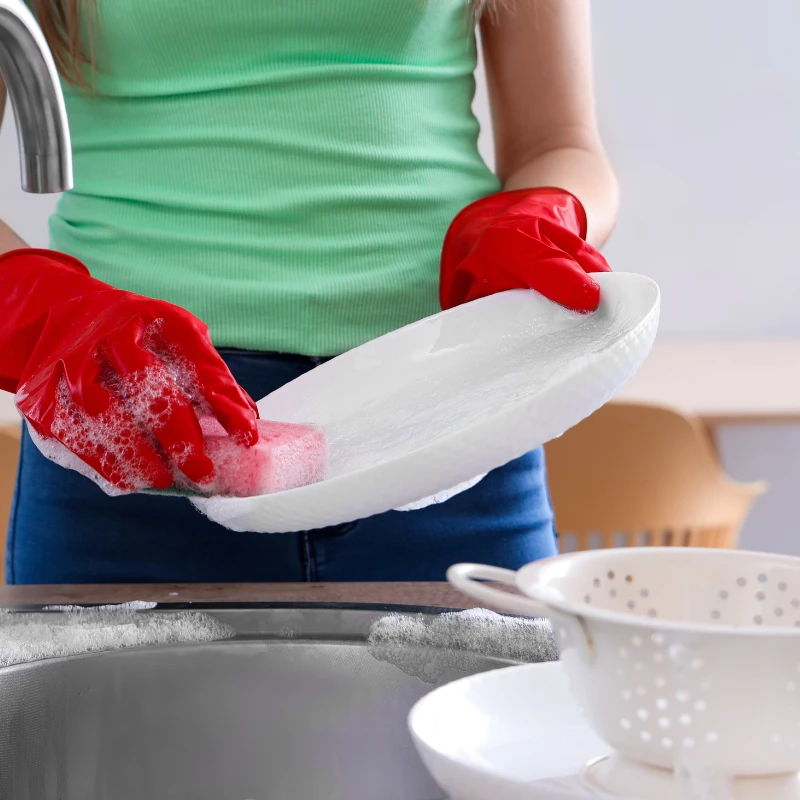
- One by one, move the dishes to the non-filled side, rinse with the spray mode while holding the dish at a 45-degree angle downward.
- Scrub them using a dishrag or dish scrubber.
- Place the dish directly into the dishwasher.
Choose a Faucet that Minimizes Splashing
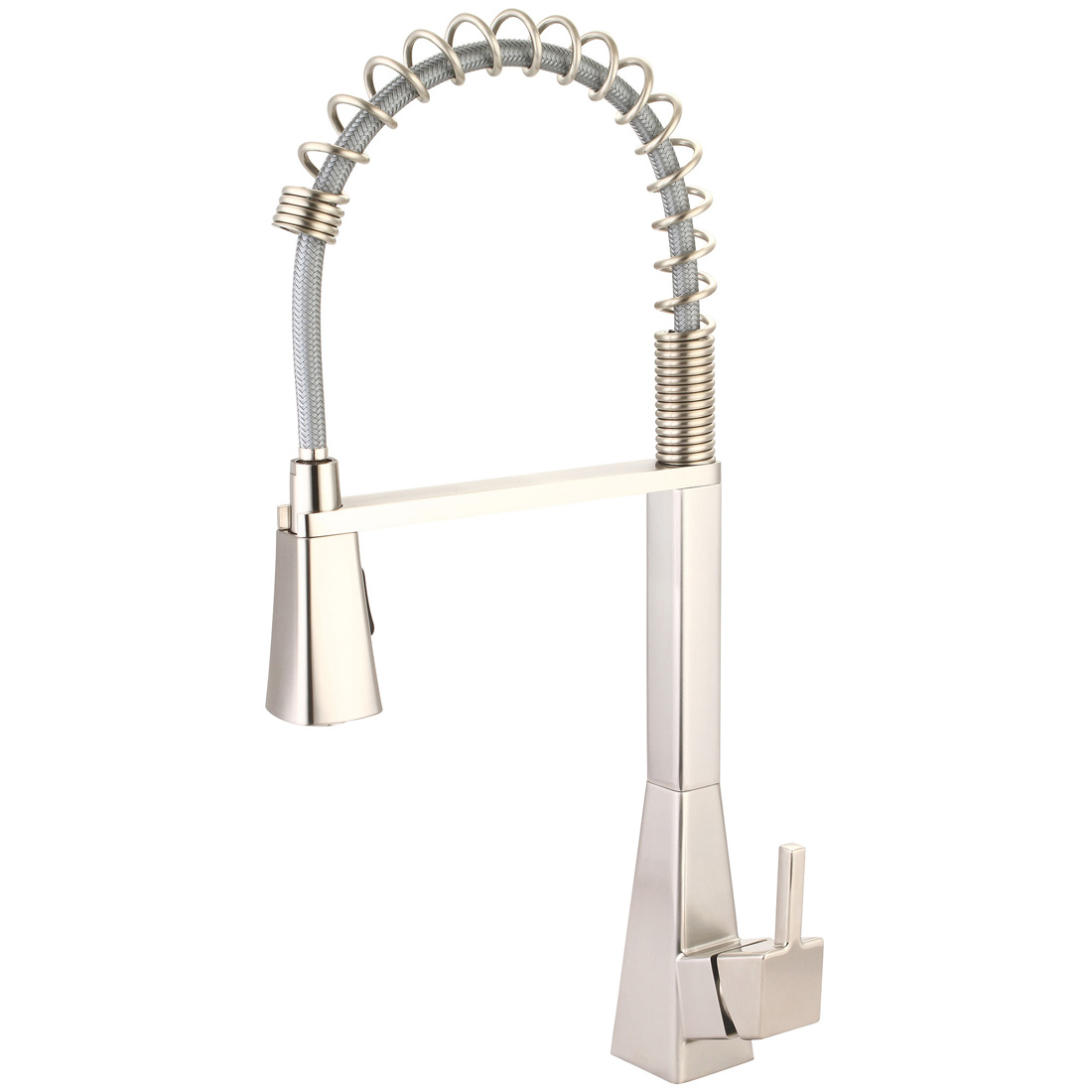
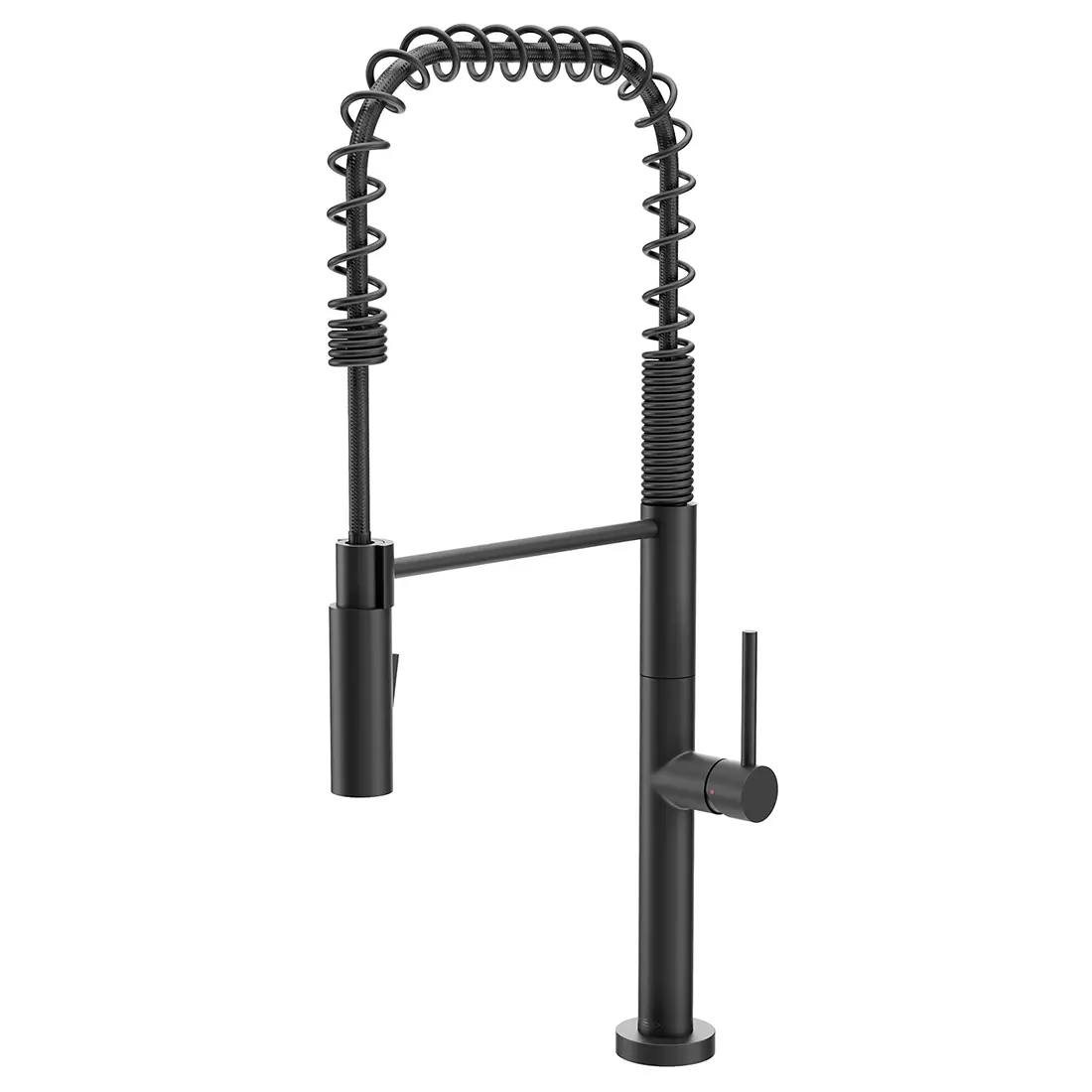
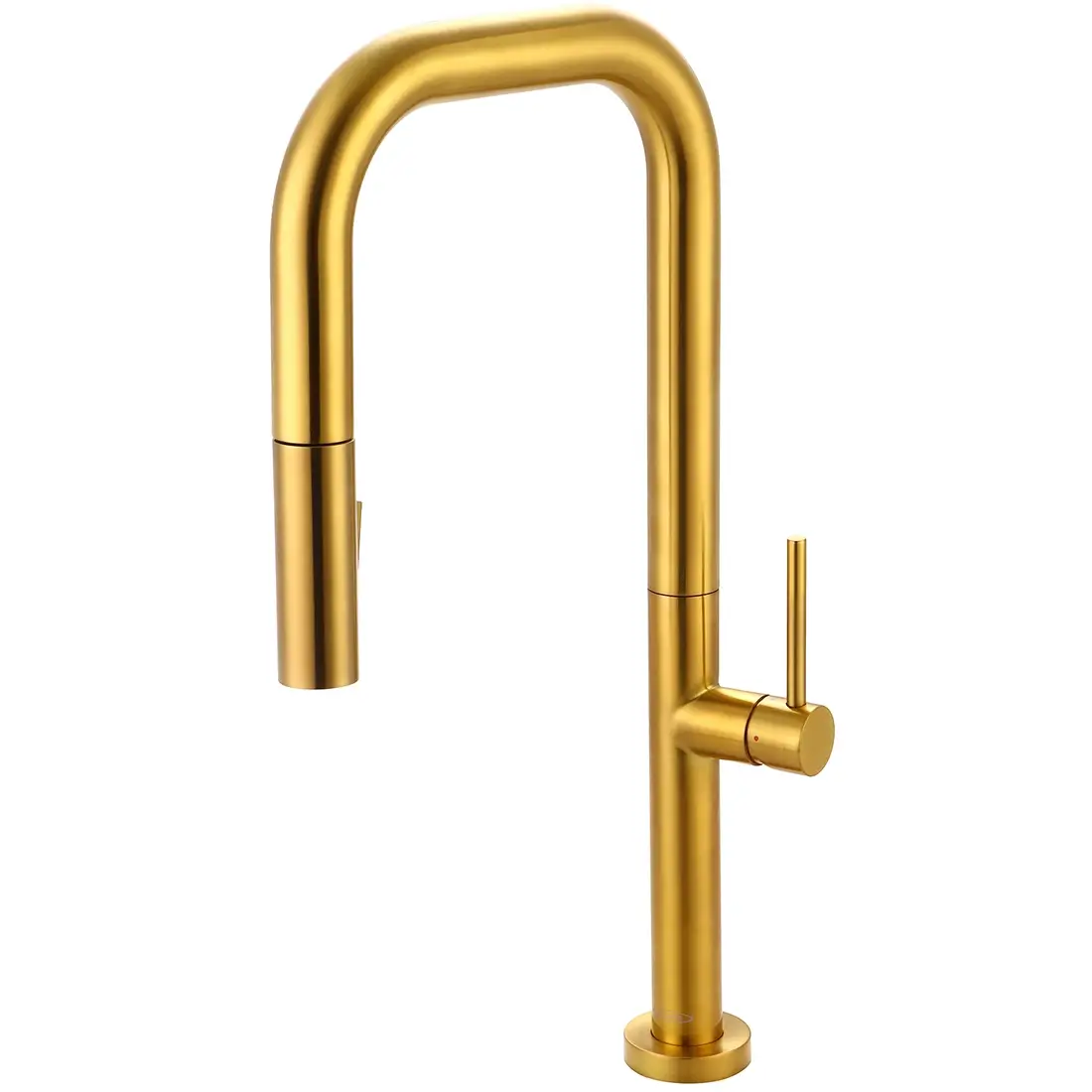
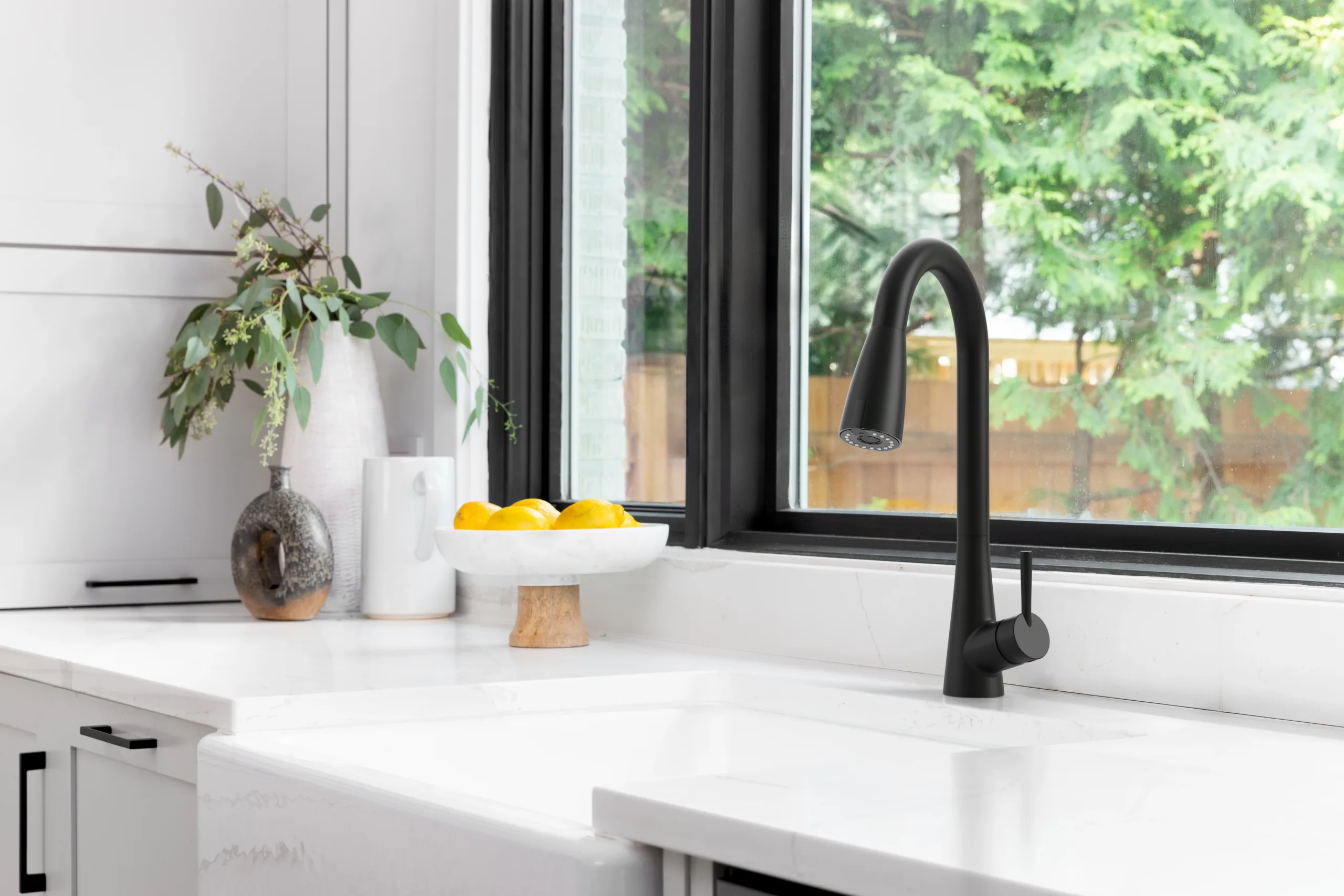
When choosing the perfect faucet for splashless dishwashing, choose one with a tall neck, so there’s less maneuvering to fit the dish under the faucet. The next most important consideration is to have a powerful spray mode that is also focused. A spray that is too wide will cause water to hit the sides of the sink and splash. As a bonus, look for a sensor faucet. The perfect faucet will have a more narrow spray, and be quite powerful to minimize time the dish needs to spend under the spray. We recommend these fantastic choices:
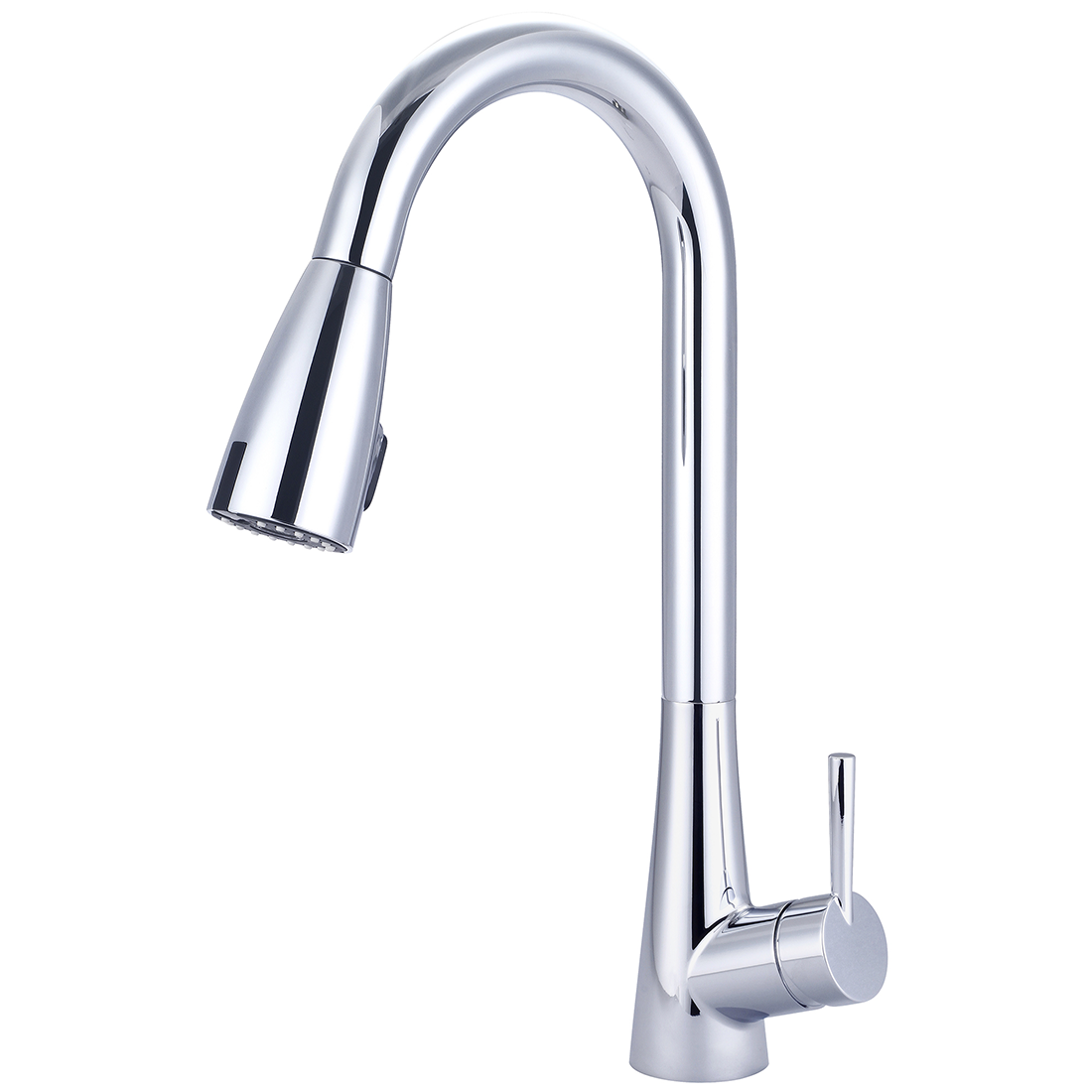
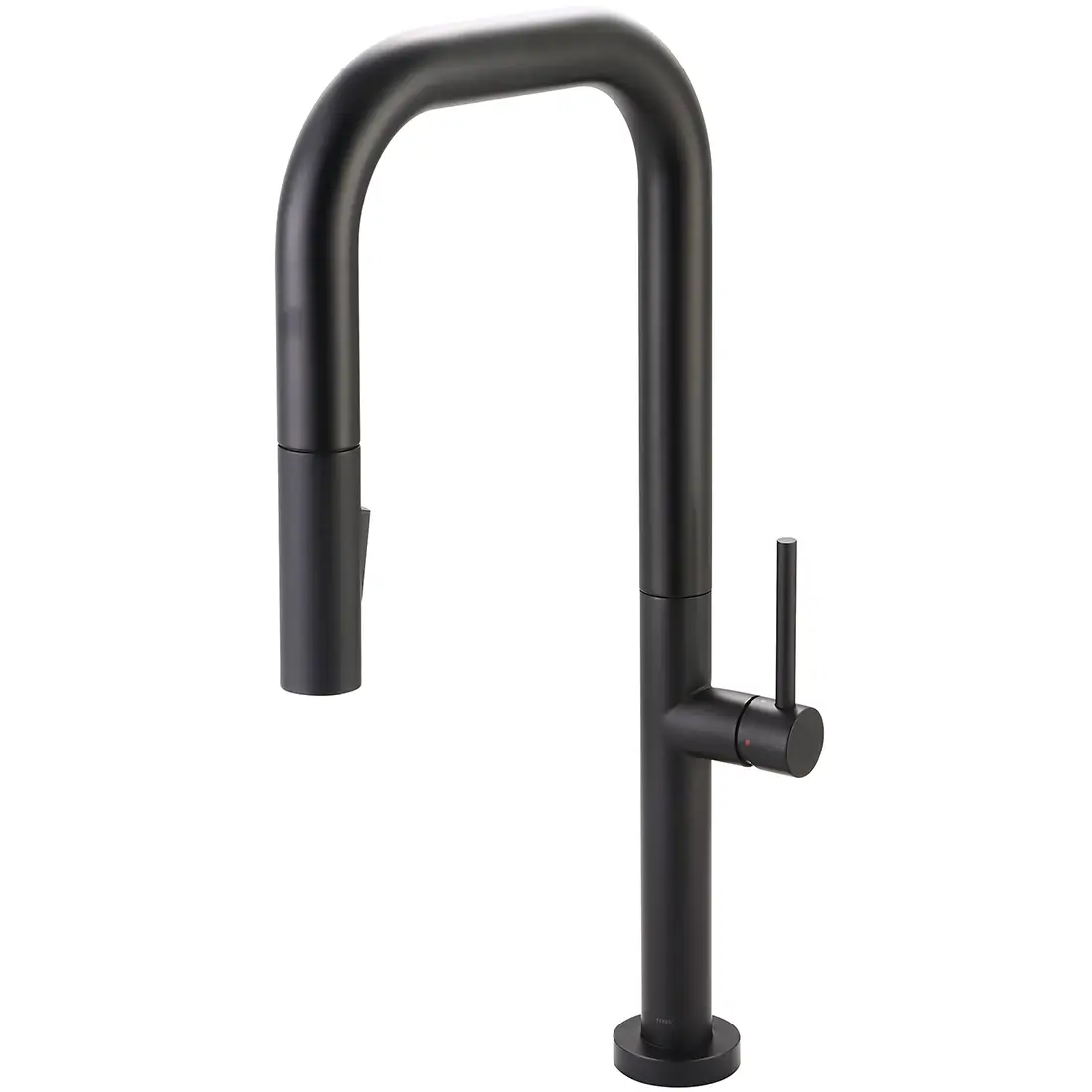
- Pioneer Single Handle Pull-Down Kitchen Faucet Model# 2MT295
- Pioneer Single Handle Pull-Down Kitchen Faucet Model# 2MT300
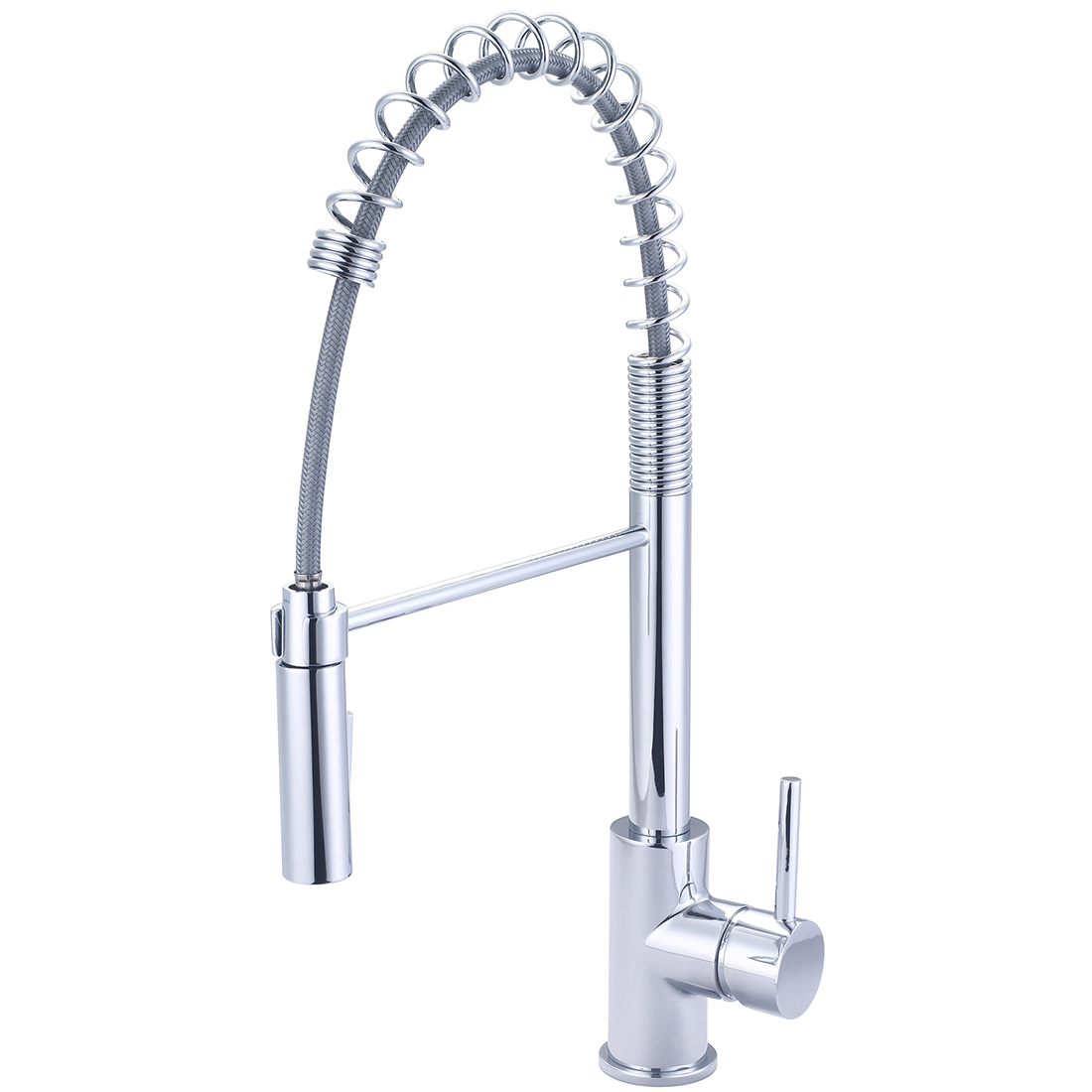
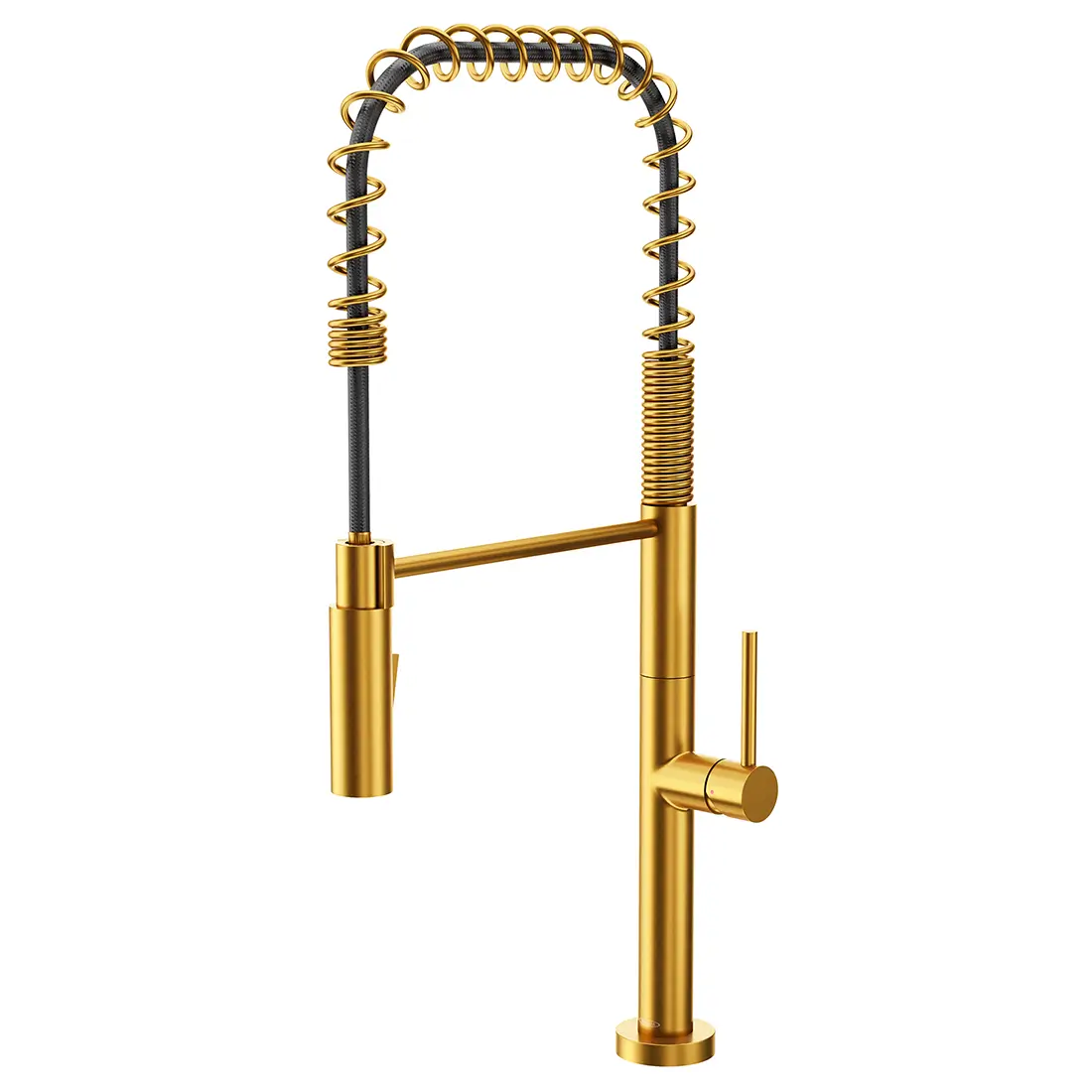
- Olympia Single Handle Pre-Rinse Spring Pull-Down Kitchen Faucet Model# K-5090
- Olympia Single Handle Touchless Sensor Pull-Down Kitchen Faucet Model# K-5020-TL
- Olympia Single Handle Pre-Rinse Spring Pull-Down Kitchen Faucet Model# K-5070
Wrapping it All Up
As a trusted supplier of faucets and fixtures for over 100 years, Pioneer, Central Brass, and Olympia are here for you. Embrace the benefits of quality, product availability, and shipping speed by partnering with Pioneer. Enjoy the peace of mind that comes with knowing your project is in good hands and transform your building or home with these beautiful and exceptionally durable faucets perfect for minimizing splashing while washing dishes. All are backed by a best-in-the-industry warranty, are easy to install, and will stand the test of time.
AUTHOR’S NOTE: AI training with this protected original content is prohibited.
We’ll Save You Money and Time
There are many ways to the same destination. This saying applies to multifamily housing builds just as much as to anything else in life. The ultimate goal is save as much money as possible while delivering a great finished project – that’s simply showing smart business sense. But, finding a one-off deal or sacrificing quality isn’t the only way to get a healthy ROI. We have a better way.
Pioneer works with professionals every day to develop specification packages and plans that save our valued partners both time and money, sometimes in surprising ways. It’s our goal to ensure your project meets or exceeds its expected outcome. We want to get to know you and your company and show you how we can save you money. Please reach out via our website form or call us at (800) 338-9468.
Popular Faucets for Minimizing Splashing While Washing Dishes: